Category: Pharmacy and Medication - Page 6
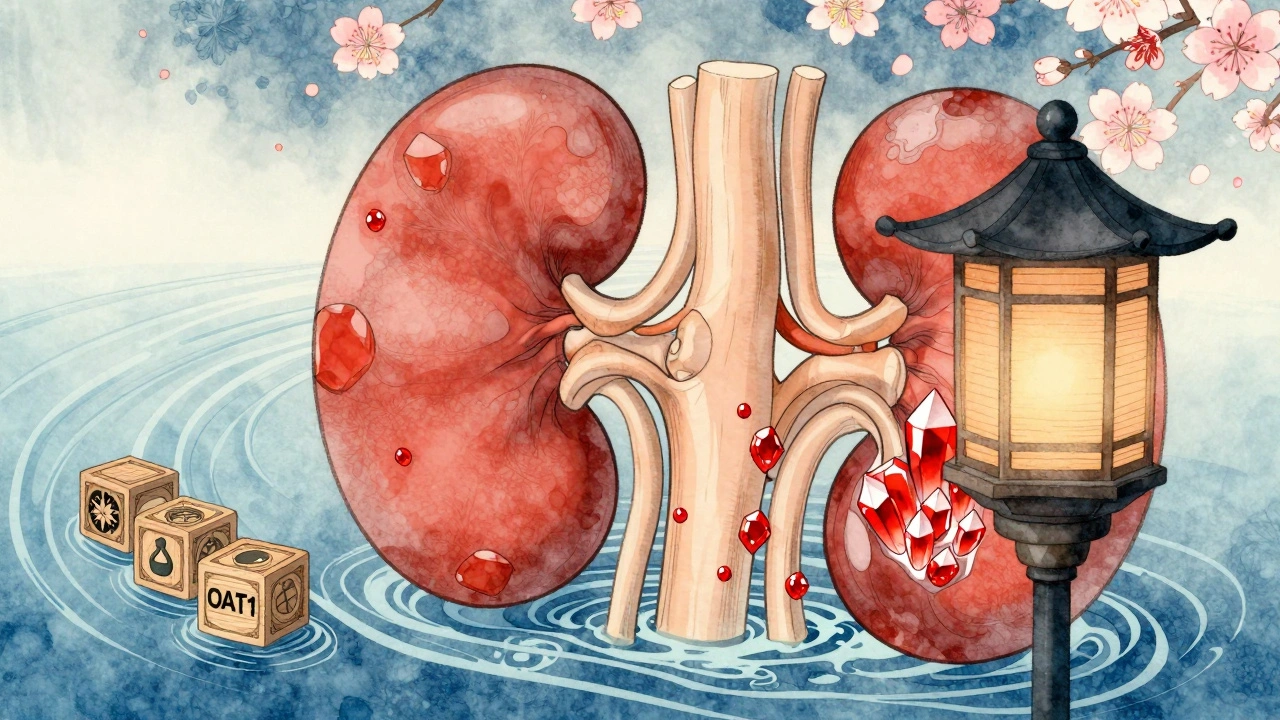
Thiazide Diuretics and Gout: What You Need to Know About Uric Acid Risks
Thiazide diuretics like hydrochlorothiazide effectively lower blood pressure but can raise uric acid levels, increasing gout risk. Learn how they work, who's most at risk, and what alternatives exist.
read more
Supply Chain Security: How Legitimate Drugs Are Protected from Counterfeits
Discover how the U.S. pharmaceutical supply chain uses digital tracking, serialization, and strict regulations to stop counterfeit drugs before they reach patients. Learn about DSCSA, real-world impact, and what’s next for drug safety.
read more
Five Essential Rules for Taking Medication Safely
Follow these five essential rules to take your medications safely and avoid dangerous errors. Learn how to check doses, spot interactions, use the right route, and know when to call for help.
read more
Nosebleeds Linked to Medications: Common Causes and How to Prevent Them
Nosebleeds can be a side effect of common medications like aspirin, ibuprofen, and blood thinners. Learn which drugs cause them, how to stop them, and simple ways to prevent recurring nosebleeds safely.
read more
How to Recognize Unsafe Medication Advice on Social Media
Learn how to spot dangerous medication advice on social media before it harms you or someone you love. Real facts, red flags, and trusted sources to keep you safe.
read more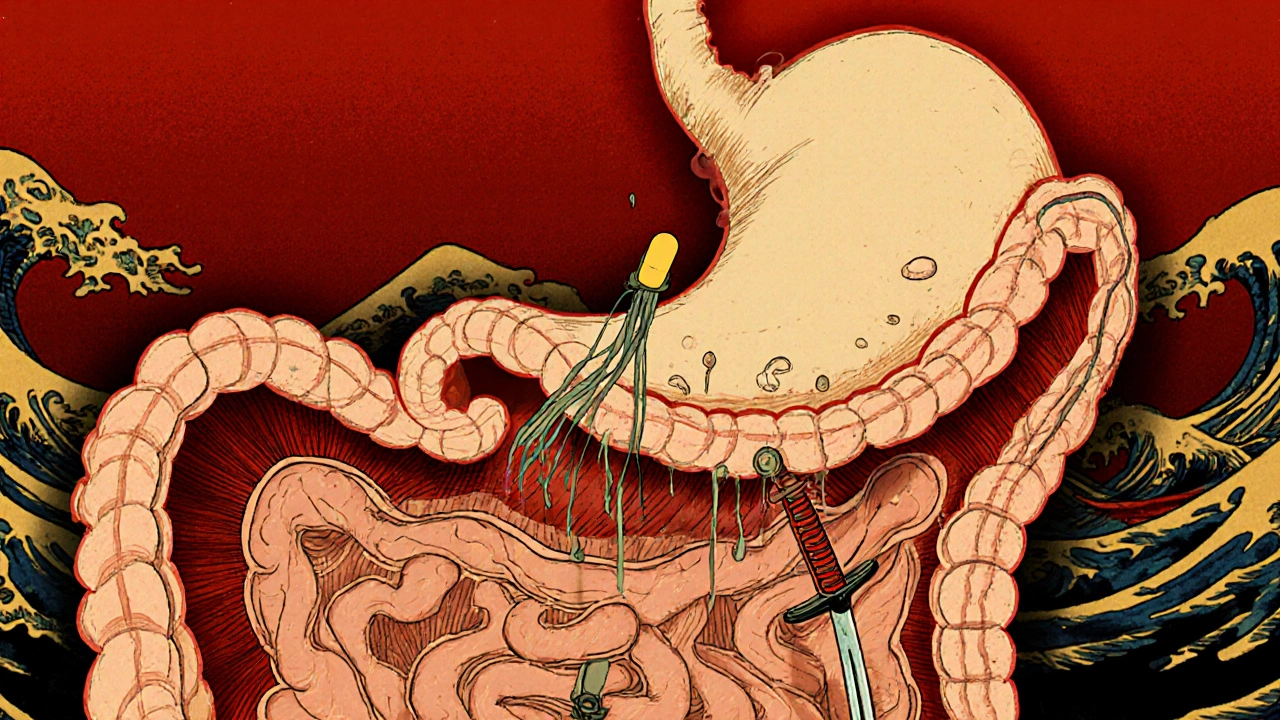
Gastrointestinal Medications: Why Absorption Issues Ruin Effectiveness
Many gastrointestinal medications fail to work because of absorption issues caused by gut physiology, food interactions, and disease. Learn why your pills might not be working and what you can do about it.
read more
Opioids and Adrenal Insufficiency: What You Need to Know About This Rare but Dangerous Side Effect
Opioid-induced adrenal insufficiency is a rare but life-threatening side effect of long-term opioid use. It suppresses cortisol production and can lead to fatal adrenal crisis during stress. Learn the signs, risks, and how to get tested.
read more
Hospital Formularies: How Systems Choose Generic Drugs
Hospital formularies systematically select generic drugs based on clinical evidence, safety, and cost-effectiveness. Learn how pharmacy and therapeutics committees make these decisions and why generics dominate hospital use.
read more
H1 vs H2 Blockers: Side Effects and When to Use Each
Learn the key differences between H1 and H2 blockers, their side effects, and when to use each for allergies or acid reflux. Avoid common mistakes and choose the right antihistamine for your needs.
read more
How to Read Pharmacy Allergy Alerts and What They Really Mean
Learn how to interpret pharmacy allergy alerts correctly - why most are false, what the colors mean, and how to avoid dangerous mistakes. Understand the difference between true allergies and side effects.
read more