Every year, over 1.3 million people in the U.S. end up in the emergency room because of medication mistakes. Many of these aren’t caused by doctors or pharmacists-they happen at home, when people take pills the wrong way. You might think you’re doing it right because you read the label. But reading isn’t enough. Taking medication safely isn’t just about following instructions. It’s about knowing what to look for, when to double-check, and how to speak up when something doesn’t feel right.
Rule 1: Know Exactly What You’re Taking
It sounds simple, but mixing up medications is one of the most common errors. Look-alike, sound-alike drugs like hydroxyzine and hydrocodone or celecoxib and clonazepam get confused all the time. Even the packaging can trick you-two different pills might look almost identical in size and color.Always check the name on the bottle against your prescription. Don’t assume the pharmacist filled it right. If the pill looks different from last time-different shape, color, or markings-ask. A 2023 ISMP report found that 12% of medication errors happen because patients didn’t notice the pill looked wrong.
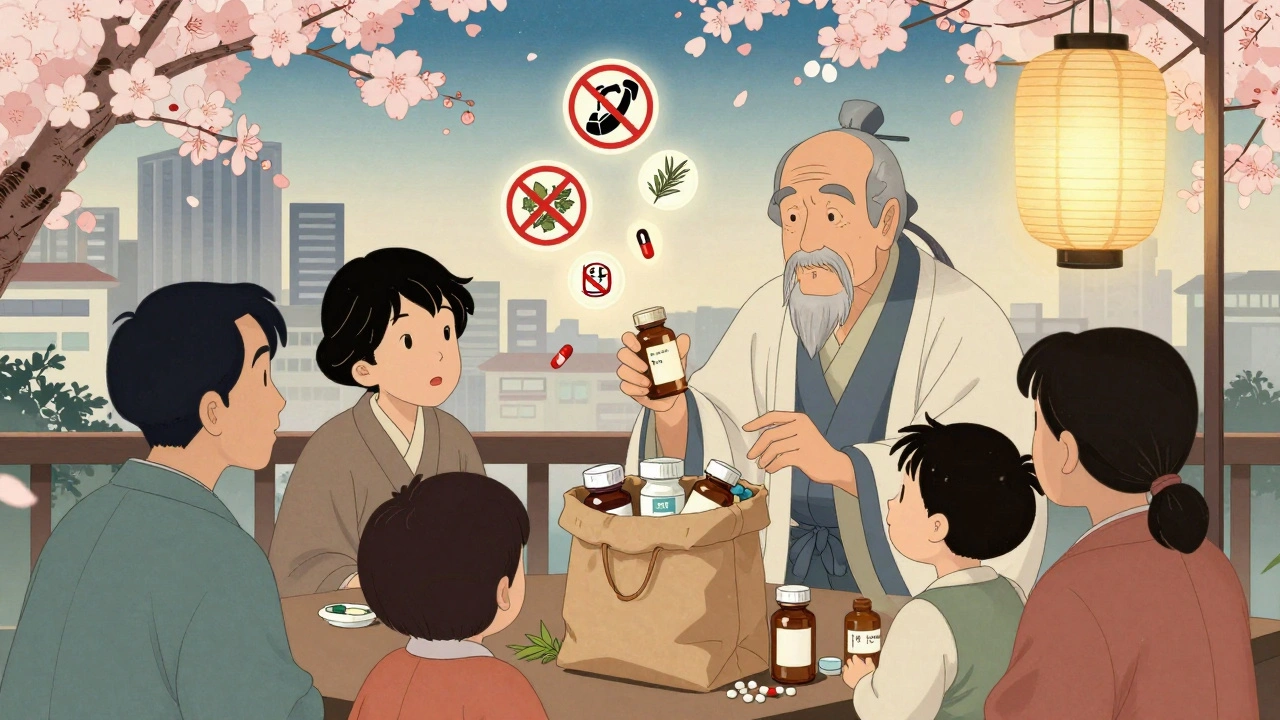
Write down the generic and brand name. Keep a list in your wallet or phone. When you see a new doctor, bring that list-or better yet, bring all your bottles in a brown bag. Pharmacists call this a “brown bag review.” It catches things prescriptions miss, like over-the-counter meds or supplements you forgot to mention.
Rule 2: Take the Right Dose at the Right Time
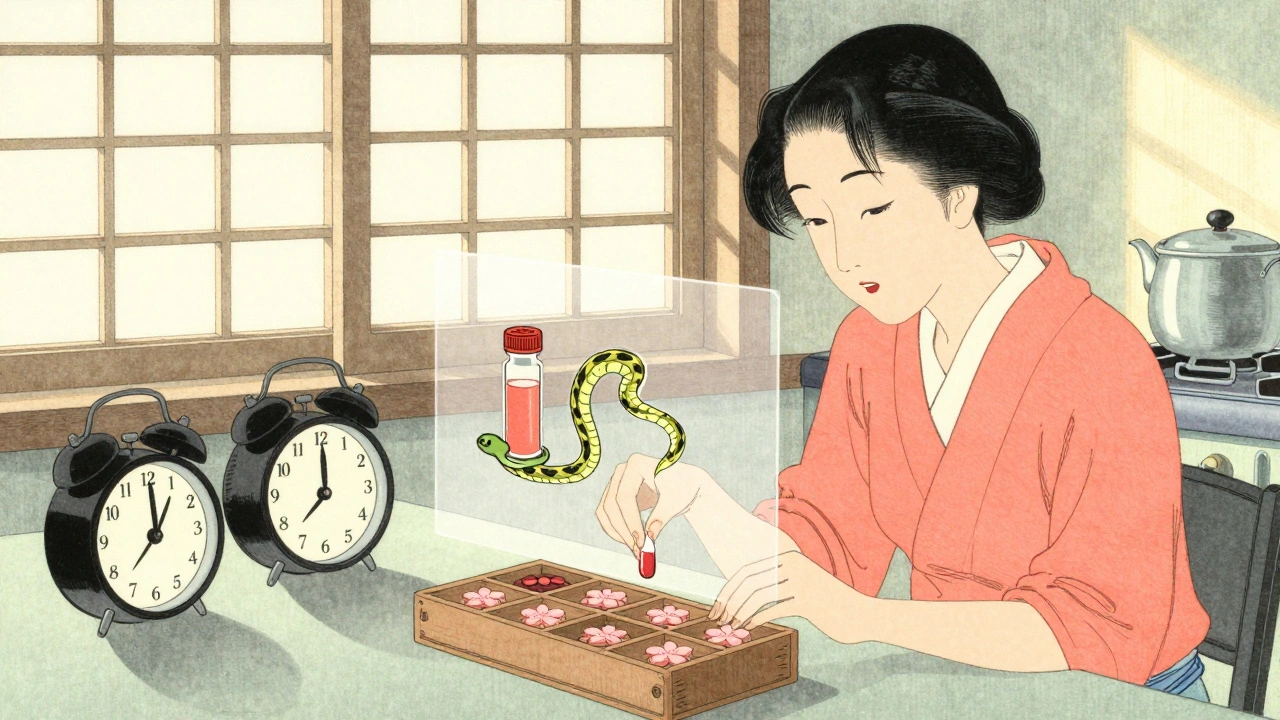
Dosing errors kill. Too much? Too little? Too early? Too late? All of them can cause harm. For some meds, timing matters more than you think. Blood thinners like warfarin need to be taken at the same time every day. Antibiotics must be spaced evenly to keep drug levels steady. Insulin? A 15-minute window can mean the difference between stable blood sugar and a hospital trip.People over 65 are especially at risk. A 2022 Kaiser Family Foundation survey found that 28% of seniors skip doses because they’re unsure when to take them. If your schedule is packed-work, kids, appointments-use a pill organizer with alarms. Apps like Medisafe or MyTherapy can send reminders and even alert your caregiver if you miss a dose.
And don’t guess. If your prescription says “take 5 mg,” don’t split a 10 mg pill unless your doctor or pharmacist says it’s safe. Some pills are designed to release slowly. Crushing or splitting them can cause a dangerous overdose.
Rule 3: Use the Correct Route
This one gets overlooked. “Route” means how the medicine enters your body: swallowed, injected, inhaled, applied to the skin. Taking a pill meant for your mouth and putting it under your tongue? That might work for some drugs-but not all. Injecting an oral medication? That’s a hospital emergency.A 2021 AHRQ study found that 16% of medication errors involve the wrong route. One case: a woman was given a topical cream for her skin, but her caregiver accidentally put it into her eye. Result: severe irritation and vision damage.
Always confirm the route with your pharmacist. If you’re using an inhaler, patch, or eye drop, ask for a demonstration. Watch a video from the manufacturer. Don’t assume you know how it works. Even experienced users make mistakes with complex devices like nebulizers or insulin pens.
Rule 4: Double-Check for Interactions and Allergies
You might be taking five different meds. One for blood pressure. One for cholesterol. One for arthritis. One for sleep. And a supplement you read about online. That’s a recipe for disaster if they clash.Drug interactions can be silent killers. For example, mixing statins with grapefruit juice can cause muscle damage. Taking NSAIDs like ibuprofen with blood thinners increases bleeding risk. Even common herbs like St. John’s Wort can make birth control fail or reduce the effect of antidepressants.
Always tell your doctor and pharmacist about everything you take-including vitamins, herbal teas, and CBD. Use free tools like the FDA’s Drug Interaction Checker or the WHO’s Medication Without Harm app (available in 47 countries). Set up a medication review with your pharmacist every six months. If you’re on five or more drugs, this isn’t optional-it’s essential.
Rule 5: Know What to Expect and When to Call for Help
Medications aren’t magic. They cause side effects. Some are mild-drowsiness, dry mouth. Others are serious-rashes, trouble breathing, swelling, confusion, chest pain.Before you take a new drug, ask: “What are the warning signs I should never ignore?” Write them down. Keep them near your medicine cabinet. For example, if you’re on an opioid, you need to know that slow breathing or unresponsiveness means call 911 immediately. If you’re on an anticoagulant, black stools or unusual bruising could mean internal bleeding.
Don’t wait for your next appointment if something feels wrong. A 2023 study in JAMA Internal Medicine found that patients who contacted their provider within 24 hours of a new symptom were 60% less likely to be hospitalized.
Also, check expiration dates. Old pills can lose potency-or worse, break down into harmful chemicals. Don’t keep meds past their date. Many pharmacies offer take-back programs for expired or unused drugs. Never flush them down the toilet unless the label says it’s safe.
What’s Missing From the Five Rights?
You’ve probably heard of the “Five Rights” in healthcare: right patient, right drug, right dose, right route, right time. But those were designed for nurses in hospitals. At home, you need more.Right documentation? You can’t log your pills in an electronic chart. Right reason? You need to know why you’re taking it. Right response? You have to monitor how your body reacts. Right education? You have to understand the risks.
That’s why the CDC’s six practical tips for home use are more useful for most people: keep a list, follow the label, take it on time, use good lighting, ask questions, and get your tests done. Combine those with the five rules above, and you’ve got a solid safety system.
Real-Life Mistakes That Could’ve Been Avoided
A 72-year-old man took his blood pressure pill twice because he forgot if he already took it. He ended up with dangerously low blood pressure and a fall.A woman took her thyroid pill with coffee, which blocked absorption. Her levels stayed low for months-fatigue, weight gain, depression-until her doctor figured out the timing issue.
A teenager took her ADHD medication with a protein shake, which slowed absorption. She didn’t feel the effect and doubled the dose. She ended up in the ER with a rapid heartbeat.
These aren’t rare. They happen every day. And they’re preventable.
Final Tips for Safe Medication Use
- Use one pharmacy for all your prescriptions. They can flag interactions.
- Keep a printed list of all meds, doses, and reasons. Update it after every doctor visit.
- Never share meds-not even if someone has the same condition.
- Store pills away from heat, moisture, and kids. Bathroom cabinets are a bad idea.
- When traveling, carry meds in your carry-on. Don’t check them.
- Ask: “Is this really necessary?” Sometimes, less is more.
Medication safety isn’t about perfection. It’s about awareness. It’s about asking questions. It’s about not being afraid to say, “I’m not sure.” Your life depends on it.
What should I do if I miss a dose of my medication?
Don’t double up unless your doctor says so. Check the medication guide or call your pharmacist. For most drugs, if it’s been less than half the time until your next dose, take it now. If it’s closer to the next dose, skip the missed one. Never guess-especially with blood thinners, insulin, or seizure meds.
Can I crush my pills if I have trouble swallowing them?
Only if the label or your pharmacist says it’s safe. Many pills are designed to release slowly. Crushing them can cause a dangerous overdose. For extended-release tablets or capsules, ask if there’s a liquid version or a different formulation. Some pharmacies can compound medications into easier-to-swallow forms.
Why do some medications need to be taken with food and others on an empty stomach?
Food can affect how your body absorbs the drug. Some meds, like antibiotics or thyroid pills, are blocked by food and need an empty stomach. Others, like statins or NSAIDs, are easier on your stomach if taken with food. Always follow the label. If it’s unclear, ask your pharmacist-this is one of the most common questions they get.
Are over-the-counter (OTC) medicines safe to take with my prescriptions?
Not always. OTC drugs like pain relievers, sleep aids, and cold medicines can interact badly with prescriptions. For example, mixing acetaminophen with alcohol or certain liver meds can damage your liver. Decongestants can raise blood pressure if you’re on heart meds. Always check with your pharmacist before taking anything new-even if it’s “just a pill from the store.”
How often should I review my medications with my doctor?
At least once a year, but if you’re on five or more medications, every six months is better. Older adults, people with chronic conditions, and those who’ve recently been hospitalized should get a full review after every major health change. Your doctor might find a drug you no longer need-or one that’s causing more harm than good.
What’s the safest way to dispose of old or unused medications?
Don’t flush them unless the label says it’s safe. The best option is a drug take-back program-many pharmacies and police stations offer them. If that’s not available, mix pills with coffee grounds or cat litter in a sealed bag, then throw them in the trash. Remove personal info from bottles before recycling them. This keeps kids, pets, and the environment safe.
What to Do Next
Start today. Grab your medicine cabinet. Pull out every bottle. Write down each one: name, dose, why you take it, and when. Compare it to your doctor’s last prescription. Call your pharmacist with any questions. Set up a reminder for your next medication review. Small steps prevent big mistakes. You don’t need to be perfect-you just need to be careful.
Darren Ramowski
My name is Calem Goodridge, and I am a pharmaceutical expert with a passion for educating others about medication and diseases. I have dedicated my career to researching and developing life-changing medical treatments. In my spare time, I enjoy writing articles and sharing my knowledge with the general public to help them make informed healthcare decisions. I am also an advocate for safe medication practices and believe that patient education is key to preventing adverse drug events. With my extensive experience in the pharmaceutical industry, I strive to make a positive impact on the lives of others through my writing.
Been using Medisafe for my mom’s meds since last year. Game changer. She forgets half the time, but now her daughter gets a text if she skips a dose. Also, the app flags interactions with OTC stuff-caught her taking ibuprofen with her blood thinner before it got dangerous.
Pharmacist said most people don’t even know their meds have interaction warnings built into the bottle. Just read the tiny print. Nobody does.
Stop pretending this is about safety. It’s about control. The system wants you dependent, confused, and obedient. You think they care if you take your pills right? They care that you keep buying them. Read the fine print on that ‘expired’ med-most are still effective for years. The expiration date is a scam to sell you more.
I work in geriatric care and this post nails it. The biggest issue isn’t people being careless-it’s how overwhelming it all is. An 80-year-old with hypertension, diabetes, arthritis, depression, and sleep apnea might be on 12 different meds. Some are for side effects of other meds. It’s a house of cards.
One woman I worked with was taking a sleep aid that interacted with her blood pressure med-she’d wake up gasping at 3 a.m. No one connected the dots because no one asked her about the melatonin she bought online. She didn’t think it counted as a ‘medication.’
That’s why the brown bag review is gold. Bring everything. Even the gummy vitamins. Even the herbal tea your sister swears helps your anxiety. I’ve seen people on six prescriptions because their doctor didn’t know they were already taking ashwagandha and turmeric daily.
And yes, pill organizers help, but only if they’re actually used. I’ve seen them collecting dust next to the sink. The real win is pairing tech with human check-ins. A weekly call from a grandkid asking, ‘Did you take your heart pill today?’ saves more lives than any app.
Also, never store meds in the bathroom. Humidity turns pills into chalk. Keep them in a cool, dry drawer. And if you’re traveling, don’t just toss them in your suitcase. Use a small pill case with labels. I once saw someone take their insulin from a ziplock bag in a backpack for three days in Florida. The insulin turned cloudy. She didn’t know until she collapsed.
Most people think medication safety is about reading the label. It’s not. It’s about asking, ‘Why am I taking this?’ and ‘What if I don’t?’ and ‘Who can I ask when I’m scared?’ That’s the real rule.
Oh, please. ‘Know what you’re taking?’ You think people don’t know? They just don’t care. Everyone’s too busy scrolling to read the tiny print. And ‘double-check interactions?’ Ha. Half the people I know take Tylenol with their wine and call it ‘self-care.’
And don’t get me started on ‘brown bag reviews.’ That’s just a way for pharmacists to upsell you on supplements you don’t need. My pharmacist tried to sell me a $50 ‘immune booster’ after my brown bag. I told her I was on six meds. She didn’t blink.
Real talk: if you’re that worried about meds, stop taking them. Or better yet-don’t go to doctors who overprescribe. The system is broken. This post is just a Band-Aid on a gunshot wound.
Medication is just another cage. We are told to swallow the silence. The body remembers what the mind forgets.
Great summary. One addition: if you’re on more than five medications, ask for a deprescribing plan. Many older adults are on drugs they no longer need-especially anticholinergics, benzodiazepines, and PPIs. These can cause cognitive decline, falls, and GI issues over time. A 2023 JAMA study showed that reducing just two unnecessary meds improved mobility and alertness in 78% of elderly patients. Don’t be afraid to say ‘Let’s see if I still need this.’ Less is often more. And yes, use one pharmacy. They track everything. Even the cough syrup you bought last Tuesday.
You got this. Seriously. I used to be the person who mixed up my pills, skipped doses because I was ‘too busy,’ and thought OTC meant ‘no big deal.’ Then my dad had a stroke from mixing blood thinners with ibuprofen. I didn’t know it could do that.
Now I keep a whiteboard on my fridge with my meds, times, and why I take them. I take a pic every time I fill a prescription. I use the Medisafe app and set alarms for 7 a.m. and 7 p.m. My sister checks in every Sunday. It’s not perfect-but it’s mine.
If you’re reading this and feeling overwhelmed? Start small. Pick one pill. Write down its name. Ask your pharmacist one question. That’s victory. You don’t need to fix everything today. Just one step. One day. One pill. You’re not alone. We’re all learning. Keep going.
They don’t want you to know this, but most of these ‘medication errors’ are caused by the FDA’s approval process. The same companies that make the drugs also fund the studies. They hide the side effects. The ‘warning signs’ they list? Those are the *mild* ones. The real dangers? They bury them in footnotes. Your ‘safe’ blood pressure pill? It’s linked to kidney damage in 1 in 12 users. But you’ll never hear that from your doctor. They’re paid to prescribe. The system is rigged. You’re not dumb for forgetting a dose-you’re a victim.