You've probably looked at a bottle of pills in your cabinet and wondered if that date on the label is a hard deadline or just a suggestion. For some drugs, it's a suggestion. For others, using them past that date could be the difference between a quick recovery and a trip to the emergency room. While many tablets just lose a bit of their punch over time, some medicines actually break down into toxic substances or lose so much strength that they won't work when your life depends on them.
The FDA is the U.S. Food and Drug Administration, the federal agency responsible for protecting public health by ensuring the safety and efficacy of medications. Since 1979, they've required pharmaceutical companies to print expiration dates on all packaging. These dates aren't guesses; they come from stability testing that proves how long a drug stays safe and potent under specific conditions. But here is the catch: the date assumes you stored the drug perfectly. If your medicine cabinet is in a humid bathroom, that date might as well be a lie.
The "Never Use" List: High-Risk Medications
Some medications are simply too volatile to risk. If these are expired, throw them out immediately. There is no "good enough'" when it comes to these categories.
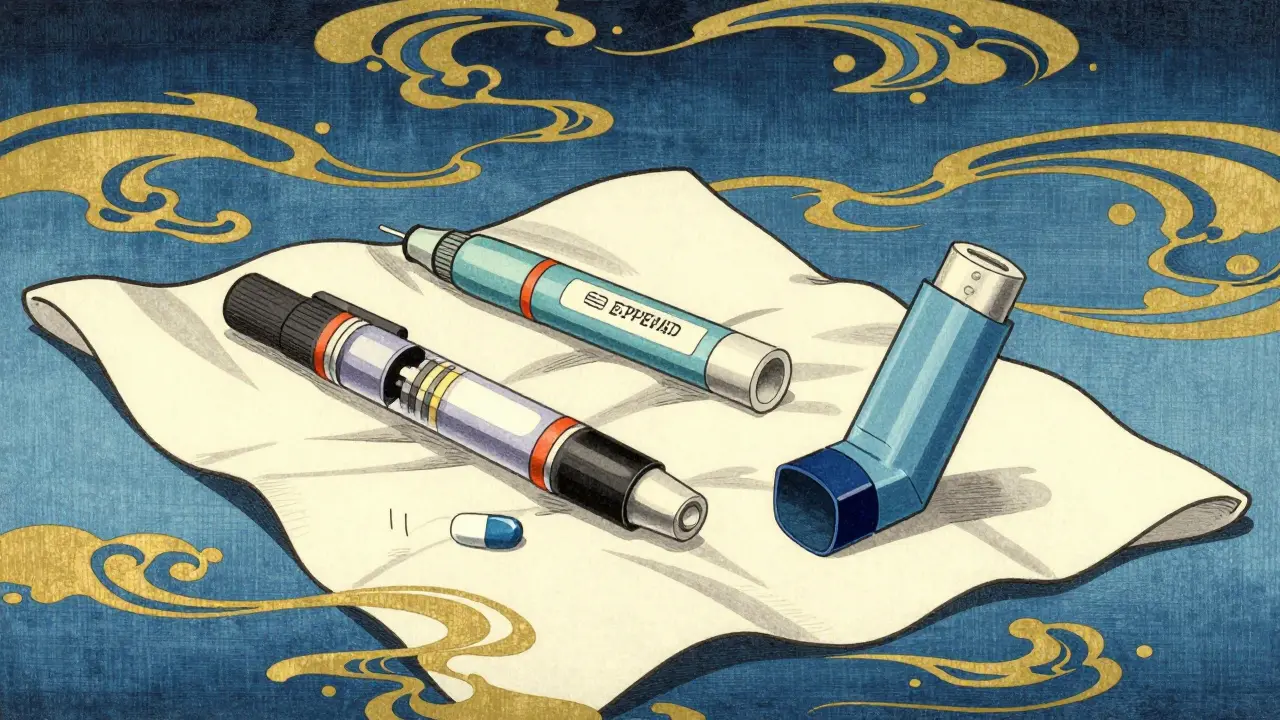
- Insulin: A hormone used to lower glucose levels in people with diabetes. Insulin is incredibly sensitive to temperature. Once it expires, it doesn't just get "weaker"; it can form protein aggregates that slash its bioavailability by up to 35%. If you use expired insulin, you might think you're treating your blood sugar, but your levels will keep climbing because the drug isn't actually working.
- Nitroglycerin: A potent vasodilator used to treat angina (chest pain). This stuff is chemically unstable. Research shows it can lose 40-60% of its potency within just six months after the expiration date. In a cardiac emergency, a dose that is half-strength is effectively useless.
- Epinephrine: The active ingredient in auto-injectors like EpiPens used to treat anaphylactic shock. Epinephrine loses about 15% of its strength every year after the label date. During a severe allergic reaction, every second counts. Relying on a degraded auto-injector can lead to inadequate symptom control and hospitalization.
- Albuterol: A bronchodilator used in rescue inhalers for asthma attacks. These rescue inhalers can lose 25-30% of their effectiveness within six months of expiring. If you're struggling to breathe, you need the full dose to open your airways, not a watered-down version.
The Danger of Degraded Antibiotics
Antibiotics are a tricky area. Most people think they just won't work, but with some, it's actually worse than that. Let's talk about Tetracycline. This specific class of antibiotics is notorious because it doesn't just lose potency-it degrades into compounds that can cause renal tubular damage (kidney damage). This is a rare but serious risk that makes this drug a "never use" after expiration.
Then there are liquid antibiotics, like amoxicillin suspensions. Once you mix a powder into a liquid, the clock starts ticking fast. These liquids are prone to bacterial contamination as the preservatives break down. More importantly, using sub-potent antibiotics can lead to incomplete infection resolution. When you don't kill all the bacteria because the drug is weak, you're essentially training the bacteria to survive, which contributes to the growing problem of antimicrobial resistance.
| Medication Type | Primary Risk | Effect of Expiration | Action Required |
|---|---|---|---|
| Insulin / Thyroid Meds | Loss of Precision | Metabolic instability | Replace immediately |
| EpiPen / Albuterol | Failure to Rescue | Insufficient potency in crisis | Replace on date |
| Tetracycline | Toxicity | Potential kidney damage | Discard immediately |
| Liquid Eye/Ear Drops | Contamination | Bacterial growth (e.g., Pseudomonas) | Discard immediately |
The Hidden Threat in Eye and Ear Drops
We often forget that our eyes and ears are incredibly sensitive to infection. Eye drops and ear drops rely on preservative systems to keep the liquid sterile. Once those preservatives fail past the expiration date, the bottle becomes a breeding ground for bacteria. There have been documented cases of Pseudomonas keratitis-a severe corneal ulcer-linked directly to the use of expired eye drops. A tiny bit of bacteria in a bottle can lead to permanent vision loss.
Why "Looking Fine" Isn't Enough
A common mistake is the "visual test." You might think, "It's still white and doesn't smell, so it's fine." This is a dangerous gamble. Chemical degradation happens at a molecular level. You cannot see a 30% drop in potency with your naked eye. However, you should look for red flags. If a pill has changed color, looks cloudy, or has a strange smell, throw it away regardless of the date. If it looks normal but is expired, it could still be inert or harmful.
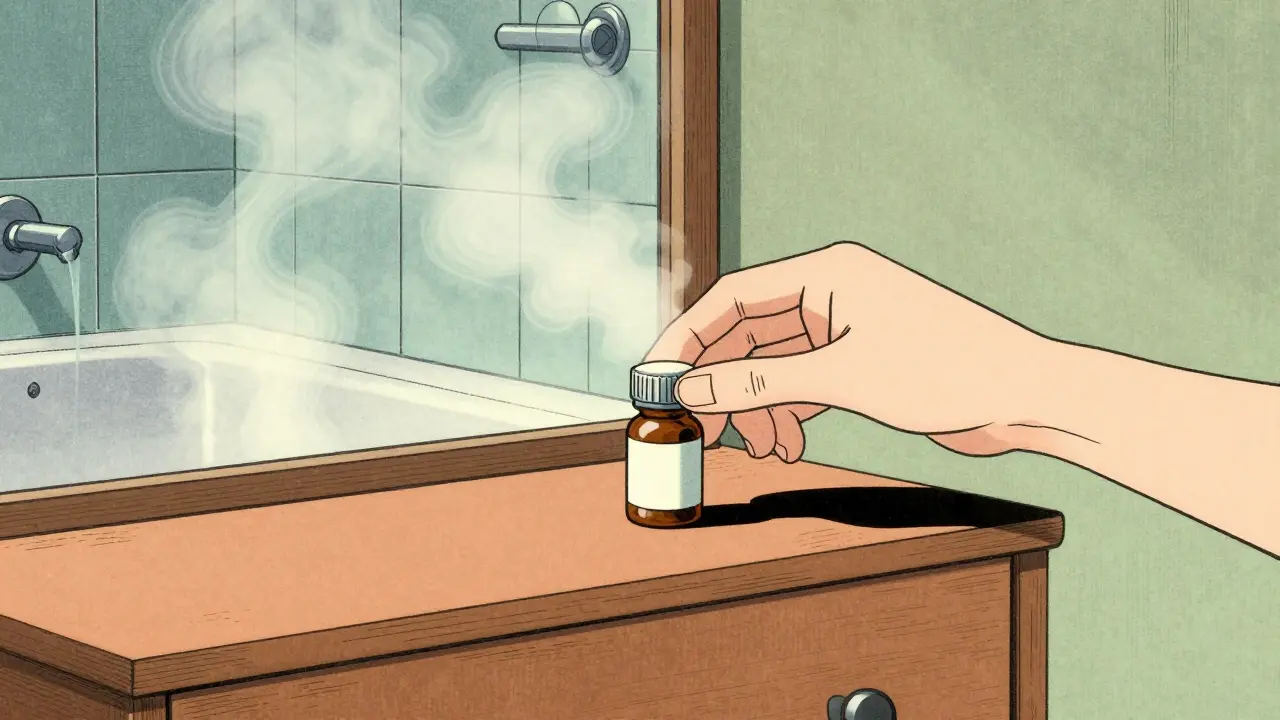
Where you store your meds also matters. Many of us keep our medicine in the bathroom, but the humidity and temperature swings from the shower make the bathroom one of the worst places for stability. Research shows drugs in bathroom cabinets can degrade over twice as fast as those kept in a cool, dry bedroom dresser. If you've kept your life-saving meds in a steamy bathroom, they may have "expired" months before the date on the box.
How to Handle Your Meds Like a Pro
Managing your pharmacy at home doesn't have to be a chore. A few simple habits can keep you safe:
- The Bedroom Rule: Move your medications out of the bathroom and into a cool, dry place away from direct sunlight.
- The 28-Day Window: For certain items like insulin, the clock starts when you open the vial, not just the manufacture date. Replace them within 28 days of opening.
- The Quarterly Audit: Every three months, go through your cabinet. If a rescue medication is within 30 days of expiring, call your pharmacy for a refill now. Don't wait until the day of the emergency.
- Proper Disposal: Never flush meds down the toilet unless specifically told to by the DEA for controlled substances. Pharmaceutical compounds are ending up in 80% of our waterways. Use a local drug take-back program instead.
Do all medications become toxic after they expire?
No, most medications simply lose their potency, meaning they won't work as well. However, a few-like tetracycline antibiotics-can break down into toxic compounds that can damage your organs. This is why it's critical to know which specific drugs are dangerous versus which are just less effective.
Can I use an expired EpiPen in a life-or-death emergency?
In a dire emergency where no other option exists, an expired EpiPen is better than nothing. However, you must realize that the epinephrine degrades by about 15% per year. It may not be strong enough to stop the reaction, and relying on it could delay you from seeking professional medical help. Always replace your auto-injectors exactly on their expiration date.
Why do liquid antibiotics expire faster than pills?
Liquids are much more unstable than solids. Once a powder is reconstituted into a liquid, the drug is more susceptible to chemical breakdown and bacterial growth. Additionally, the preservatives in liquids fail faster, making the medicine unsafe to ingest or apply.
What should I do if I accidentally took an expired medication?
If it was a common over-the-counter pain reliever, you're likely fine, though it may not work. If it was a critical medication like insulin, a heart drug, or a prescription antibiotic, contact your doctor or pharmacist immediately to ensure your condition is still being managed correctly.
Is the expiration date on vitamins and supplements the same as medicine?
Not exactly. The FDA regulates prescription drugs much more strictly. While vitamins also lose potency over time, they rarely become "toxic" in the way some pharmaceuticals do. However, they still lose their nutritional value, making them less effective for treating deficiencies.

Darren Ramowski
My name is Calem Goodridge, and I am a pharmaceutical expert with a passion for educating others about medication and diseases. I have dedicated my career to researching and developing life-changing medical treatments. In my spare time, I enjoy writing articles and sharing my knowledge with the general public to help them make informed healthcare decisions. I am also an advocate for safe medication practices and believe that patient education is key to preventing adverse drug events. With my extensive experience in the pharmaceutical industry, I strive to make a positive impact on the lives of others through my writing.