You open your medicine cabinet and find a prescription bottle with a date in the past. It happened to most of us at some point. Maybe it's leftover antibiotics from last winter, or perhaps an old EpiPen tucked away in the glovebox. The immediate thought is usually, "Is this poison now?" The second thought is, "Can I save money by taking this anyway?" These dilemmas bring you back to your local healthcare professional. Your Pharmacist is your bridge to safety when navigating the risks of medication stability. This isn't just about tossing things out; it's about understanding why certain drugs fail over time and how to get expert answers without feeling foolish.
What an Expiration Date Really Means
Before you dial the number on the bottle, it helps to understand what you're asking about. Many people think expiration dates are arbitrary deadlines set by manufacturers to sell new bottles. In reality, these dates come from rigorous testing. The FDA requires manufacturers to prove their product stays potent under specific storage conditions until that date. However, the law doesn't require them to test beyond that day. This creates a grey area. A tablet might still work months later, but legally and officially, it is considered unsafe once the clock hits zero.
When you ask a pharmacist about this, you aren't questioning their knowledge; you are asking them to interpret the chemistry of your specific situation. Most solid oral tablets degrade slowly. Liquids, however, are far more volatile. If you have liquid antibiotics or suspension medicines, the water content allows bacteria to grow or the active ingredients to break down much faster than in a dry pill. This distinction is vital because it changes the risk profile significantly.
The High-Risk List: When to Walk Away Immediately
Not all medications carry the same level of risk when they pass their date. Some become ineffective but harmless, while others can fail you when you need them most. During your conversation, a pharmacist will immediately flag certain categories as absolute "do not use" zones. You should familiarize yourself with this list before making your call.
- Life-Saving Injectables: Epinephrine auto-injectors and insulin are critical. An expired EpiPen might not deliver a life-saving dose during an allergic reaction. Insulin loses its molecular structure over time, potentially leaving blood sugar uncontrolled.
- Nitroglycerin: Used for angina and heart pain. These small tablets are notoriously unstable and lose potency quickly, even before the printed date if not stored correctly.
- Antibiotics: Taking an expired antibiotic is risky not because it poisons you, but because it won't kill the infection fully. This incomplete treatment breeds antibiotic resistance, turning a treatable illness into something resistant to standard care.
- Solution-Based Meds: Liquid antacids, cough syrups, or eye drops often separate or degrade in ways you cannot see.
If your stash contains any of these, tell your pharmacist upfront. For instance, saying, "I have an old vial of nitro," triggers a specific safety protocol in their mind. They will likely advise replacement immediately rather than offering a loophole. Understanding this hierarchy of risk helps you prioritize which conversations are urgent versus which ones are minor queries.
Formulating Your Questions for the Call
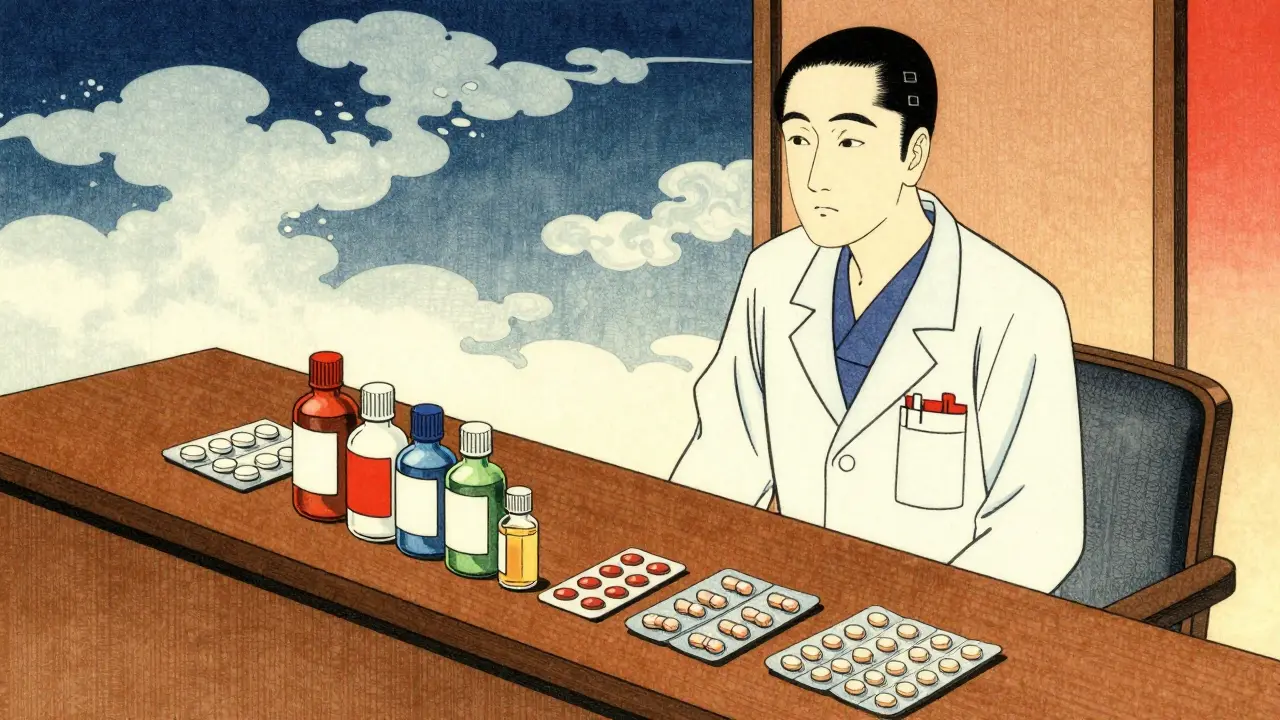
Calls to the pharmacy can feel daunting if you don't have a plan. Pharmacists deal with dozens of similar inquiries daily, so being specific saves everyone time. Instead of asking, "Is this safe?" try asking targeted questions based on the drug type and storage history. Here is a script you can adapt for your situation.
Ask about Formulation: Is the active ingredient in my tablet stable past the date, or does it break down in liquids?
Ask about Storage Impact: Did storing this in my humid bathroom accelerate degradation? (Heat and moisture are silent enemies of pills.)
Ask about Criticality: Given my condition, does this medication need 100% potency to avoid harm?
Ask about Appearance: If the pill looks different than when I bought it, does that indicate it's toxic?
A pharmacist named James Reissig notes that most patients worry about toxicity, but rarely do drugs become poisonous past expiry; they mostly just stop working. By asking about potency specifically, you show you understand the primary mechanism of failure. This shifts the conversation from "scare tactics" to clinical assessment. It also highlights to the pharmacist that you are looking for a reasoned medical opinion rather than a quick reassurance.
Evaluating Physical Signs of Degradation
Even if a pharmacist tells you a drug is generally stable, visual inspection remains a non-negotiable step. Before you decide anything, examine the medication closely. If the powder in a capsule has turned yellow or clumped together, discard it. If a liquid looks cloudy, smells strange, or has particles floating in it, do not drink it. These physical changes are red flags that chemical breakdown has occurred beyond normal aging.
Sometimes, packaging integrity matters too. Blister packs that pop easily or bottles with loose caps suggest air exposure. Oxygen degrades many compounds. When speaking to your pharmacist, describe these physical signs accurately. Tell them, "The pills look chalky," or "There is mold on the cap seal." This visual evidence helps them rule out environmental damage that might render a drug unsafe even if the date hasn't technically passed yet.
Disposal Options Beyond the Trash
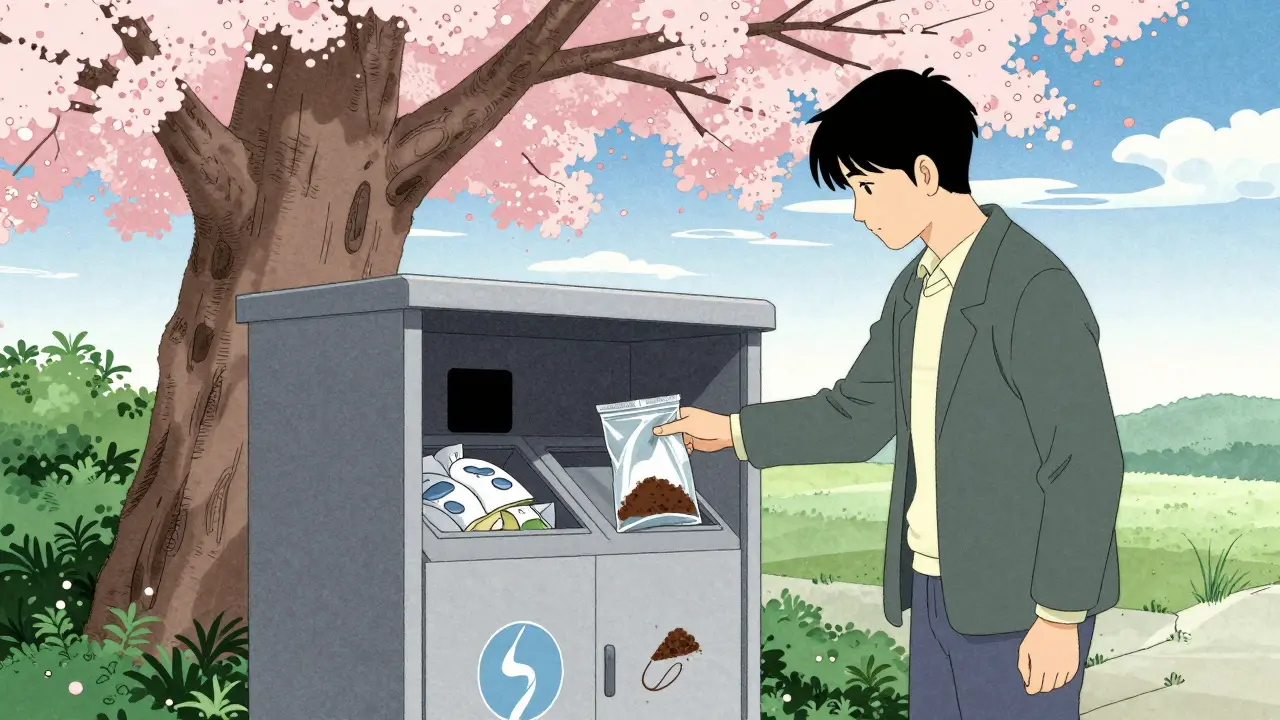
Once you've decided a medication is too old, proper disposal becomes your next responsibility. Flushing drugs is a common myth, but it contaminates water supplies and harms aquatic ecosystems. Unless a specific label instructs flushing (rarely done nowadays), you shouldn't put them down the toilet. Instead, ask your pharmacist about local Drug Take-Back Programs. Many pharmacies, including major chains, offer secure kiosks where you can drop off expired meds anonymously and safely.
If take-back boxes aren't available near you, the FDA suggests mixing the meds with unappealing substances like cat litter or coffee grounds in a sealed bag before throwing them in regular trash. This prevents accidental ingestion by pets or children if scavengers access the bin. Remember to scratch out personal info on the bottle label first to protect your privacy. Pharmacists can often direct you to upcoming community take-back events managed by local law enforcement or health departments, ensuring compliance with environmental laws.
Prevention Strategies for Future Refills
The ultimate goal isn't just managing one old pill; it's building a system where you rarely find expired stock again. Pharmacists recommend tracking your inventory. When you pick up a new bottle, write the refill date on the side of the box with a marker. Adopt a "first in, first out" mindset-if you buy multiple ibuprofen bottles, use the oldest one first.
Digital tools are also changing the game. Apps and digital health platforms can send alerts when refills are due. Setting reminders for six-month intervals to clean out your cabinets helps catch items before they expire. Discuss with your doctor if you can order smaller quantities for emergency medications like allergy meds or antibiotics to minimize waste. Regular maintenance of your medicine cabinet ensures that when you do need those drugs, they are fresh, potent, and safe.
Are expired medications toxic to me?
For the vast majority of solid oral medications, expired drugs do not become toxic. The primary risk is that they lose potency and may not treat your condition effectively. However, rare cases like tetracycline can cause kidney issues if degraded. Always consult your pharmacist for your specific prescription.
Can I take expired antibiotics?
Using expired antibiotics is strongly discouraged. They may fail to kill bacteria completely, leading to antibiotic resistance. This makes future infections harder to treat. If you need antibiotics, always get a fresh prescription to ensure full therapeutic dose.
How long do OTC meds like Ibuprofen stay good?
Over-the-counter solid pain relievers often retain potency for up to two years past the date if stored properly away from heat and humidity. However, for critical needs or serious pain, it is safer to replace them to guarantee effectiveness.
Should I flush expired medications?
No, flushing is generally prohibited unless a specific warning on the label instructs it. Most should go through drug take-back programs or be mixed with undesirable household waste like coffee grounds before trashing to prevent environmental contamination.
Does the FDA regulate expiration dates?
Yes, the FDA oversees stability testing. While manufacturers set the date based on proven stability, there is a known gap regarding post-expiry safety testing which is why pharmacist guidance is essential for high-risk scenarios.

Darren Ramowski
My name is Calem Goodridge, and I am a pharmaceutical expert with a passion for educating others about medication and diseases. I have dedicated my career to researching and developing life-changing medical treatments. In my spare time, I enjoy writing articles and sharing my knowledge with the general public to help them make informed healthcare decisions. I am also an advocate for safe medication practices and believe that patient education is key to preventing adverse drug events. With my extensive experience in the pharmaceutical industry, I strive to make a positive impact on the lives of others through my writing.
It is absolutely incredible how many people neglect the storage conditions entirely when discussing expiration dates. Most individuals assume that a dry bathroom cabinet is the safest place for their medications, yet the humidity alone can destroy chemical bonds overnight. We often forget that water vapor is a silent killer of pharmaceutical stability over time. You might think your pill is fine because it looks normal on the outside, but internal degradation is happening silently without visible signs. I have seen friends keep antibiotics in gloveboxes where the heat spikes during summer months without any ventilation whatsoever. This heat accelerates the breakdown process significantly faster than the standard laboratory testing conditions ever anticipated. When we talk about potency, we are talking about the molecular integrity holding together against the odds. It takes serious discipline to track every single bottle and rotate stock like a professional inventory manager would do. Many of us get lazy and just shove bottles to the back of the cupboard until they become ancient artifacts. The pharmacist knows this pattern very well because they see the same patients year after year with the same neglected habits. We need to understand that safety is not just about the date printed on the label but about the environment too. Keeping things cool and dark extends the life marginally but never guarantees total protection forever. The law requires manufacturers to test under ideal conditions rather than real world chaos in our homes. Therefore trusting the date blindly is actually a gamble with your own health outcomes involved. We must accept that sometimes disposal is the only responsible choice regardless of cost savings. Proper tracking systems help us avoid these difficult conversations later down the line when illness strikes unexpectedly.
I usually just toss anything past the date into the trash bin immediately without asking anyone else.
Throwing everything away saves time but costs you money every single month unnecessarily.
Why trust the big companies who want you to buy new pills constantly 😐 They probably set the date early just to make money 💸 Your body knows better than their paper 📄 Don't listen to the scared people telling you what to do 🙄 Keep your old meds if you feel healthy 💊 Safety is for weak minds only 🤡
This! is!! dangerous!!! Advice!!!! You cannot!! ignore!!! Medical!!! Experts!!!!! Just!!!! Because!!! Someone!!!! Thinks!!! Big!!! Pharma!!! Is!!! Evil!!! Does!!! Not!!! Change!!! Science!!!!! You!!! Might!!! Die!!!!! If!!! You!!! Ignore!!! Rules!!!
Oh how delightful that we finally have a guide written by people who clearly love spending money on replacements. One could almost hear the cash register ringing in every paragraph dedicated to proper disposal techniques. The narrative suggests that we are all helpless fools unable to judge our own medicine cabinets without permission slips. It is fascinating how much energy is poured into convincing us that chemicals decay instantly despite evidence to the contrary in some contexts. Perhaps the real expiration date is on our wallets rather than the actual prescription bottles sitting in the dark. The tone remains patronizing throughout while ignoring the economic reality facing lower income families everywhere. A true guide would acknowledge that waste reduction is also a vital form of healthcare sustainability. Instead we get a lecture on toxicity risks that rarely materialize for stable compounds. One wonders who benefits most when a patient discards perfectly functional tablets due to anxiety. The corporate interest alignment here is thick enough to cut with a dull knife.
Your perspective highlights the frustration regarding financial strain during medical management effectively. There is indeed value in finding a balance between safety protocols and economic responsibility for everyone. It is important to acknowledge that guidelines serve as protection mechanisms for vulnerable populations especially children. Yet personal experience with medication quality varies widely across different geographic regions and climates. We should aim for dialogue rather than division when discussing health decisions at home. Mutual respect allows both caution and pragmatism to coexist in our household choices. Finding middle ground helps families navigate these confusing regulations without unnecessary stress or shame.
The concept of pharmaceutical stability relies heavily upon rigorous thermodynamic principles applied during synthesis processes. Manufacturers determine expiration dates based upon accelerated aging studies conducted under controlled environmental parameters strictly. Consequently, the degradation pathways involve hydrolysis oxidation photolysis and microbial contamination depending on formulation types. Oral solid dosage forms typically exhibit higher resistance to decomposition compared to liquid suspensions emulsions. However, excipients such as binders or disintegrants may alter physical properties before active ingredients lose measurable potency visually. Moisture ingress acts as a primary vector for kinetic instability leading to premature failure modes unexpectedly. Regulatory agencies mandate shelf-life projections utilizing statistical confidence intervals derived from batch analysis results. Deviations from specified storage conditions introduce variables outside the validated parameters established initially. Patients misinterpretting these dates risk therapeutic failure which compromises clinical outcomes significantly. Understanding the Arrhenius equation helps rational actors comprehend temperature dependence of reaction rates accurately. Thus, empirical observation combined with professional consultation remains superior to guessing games alone. Ignorance regarding chemical kinetics leads to preventable adverse events during critical treatment windows. Knowledge empowers individuals to make informed decisions regarding retained supplies appropriately. Diligence ensures that pharmacological interventions remain reliable when health status deteriorates suddenly. Education bridges the gap between industrial standards and household realities perfectly.
You sound exactly like the system trained to protect profit margins over human health priorities. Why do you believe the data presented represents objective truth when oversight is compromised regularly. It feels suspicious that only certain experts are allowed to validate safety claims publicly. There are hidden agendas pushing specific narratives to sell new products continuously. Real knowledge often comes from observing nature rather than lab reports funded by corporations. Trust your intuition instead of following complex equations designed to confuse the average person. The elite gatekeepers always claim special access to information you cannot verify easily yourself. Question the sources behind these rigid rules whenever they contradict practical survival instincts. History proves that institutions frequently prioritize liability over actual patient welfare consistently.
I found an epi pen last week that expired two years ago and I was shaking uncontrollably thinking about my allergies. My hands were literally trembling while I looked up the label online for hours straight. It felt like standing over a cliff edge waiting for something terrible to happen eventually. I called three different pharmacies just to confirm what I already suspected deep down inside. The pharmacist told me to flush it immediately and the dread washed over me completely. Who knows what happens if that one moment came and it failed you in the worst way possible. I cannot imagine living with that kind of fear hanging over my head daily now. It changed how I look at everything in my bathroom cabinet from that day forward honestly. I even threw out baby aspirin because the guilt kept eating at my sleep patterns severely. Sometimes peace of mind costs more than the price of the drugs themselves unfortunately. I will never go through another scare involving potential poison in my home again.
It is understandable that encountering outdated emergency supplies would trigger significant anxiety responses within anyone reading this story. Your proactive approach to seeking verification demonstrates excellent vigilance regarding personal health security measures. Many people ignore the signs until an emergency occurs which puts them at extreme risk unnecessarily. You did exactly the right thing by reaching out for professional guidance rather than assuming facts incorrectly. That level of caution protects you and potentially those around you who depend on your preparedness. The emotional toll of realizing equipment might fail is heavy but knowing the correct disposal method alleviates the burden. Moving forward, establishing a schedule to check supplies prevents these overwhelming moments from recurring frequently. Remembering that safety is the priority helps you forgive yourself for any perceived mistakes previously made. Your experience serves as a valuable lesson for others who might hesitate to ask similar questions openly. We all share the goal of maintaining secure environments for our loved ones and community members alike. Investing in fresh stock ensures confidence when every second counts during a crisis situation effectively. Taking care of mental health includes managing fears about medical reliability accurately too. Keep doing your due diligence and know that you are protecting yourself incredibly well today. It is vital to stay calm even when uncertainty arises regarding your medication supply chain integrity. Trusting your instincts alongside expert advice creates the strongest foundation for ongoing wellness management strategies.
While skepticism regarding commercial motives is common, understanding chemical stability reduces reliance on conspiracy theories generally. Expired nitroglycerin specifically loses volatility quickly making it useless for chest pain relief dangerously. The risk is primarily ineffectiveness rather than direct toxicity for most stable compounds like these tablets. Pharmacists prioritize patient safety over sales volume because malpractice lawsuits arise from negligence cases frequently. Replacing old stock ensures full therapeutic benefit when health emergencies demand optimal performance immediately. Disposal methods exist to protect the environment alongside public health safety standards strictly. Consulting a professional provides specific advice tailored to your individual medication history best. Following standard guidelines minimizes unnecessary risk exposure during treatment phases successfully.