Upper Airway Stimulation: What It Is, Who It Helps, and How It Works
When you think of sleep apnea treatment, you probably think of a mask and a machine. But for many people, that’s not enough. Upper airway stimulation, a surgically implanted device that gently activates the nerve controlling the tongue and throat muscles during sleep. Also known as hypoglossal nerve stimulation, it’s not a cure—but for those who can’t tolerate CPAP, it’s often the only thing that actually works. This isn’t science fiction. It’s FDA-approved, covered by most insurance plans, and used in over 100,000 patients worldwide. The device watches your breathing pattern and delivers a mild pulse to keep your airway open—no mask, no noise, no nasal dryness.
Upper airway stimulation doesn’t work for everyone. It’s meant for adults with moderate to severe obstructive sleep apnea who’ve tried and failed CPAP. It’s not for people who are severely overweight, have central sleep apnea, or have major structural issues in their throat. The procedure itself is minimally invasive, done as an outpatient surgery, and recovery usually takes less than two weeks. The device is controlled with a small remote—you turn it on before bed and off in the morning. No one else needs to know you have it. It’s quiet, it’s hidden, and for many, it’s life-changing.
What makes this different from other treatments? CPAP works by blowing air into your nose. Upper airway stimulation works by moving your tongue out of the way. It doesn’t force air in—it prevents collapse from the inside. That’s why some people who gag on masks or can’t sleep with tubes in their nose find this easier. It’s also why it’s not a replacement for CPAP, but a replacement for people who can’t use CPAP. Studies show it cuts apnea events by over 60% and improves daytime sleepiness as much as CPAP does. And unlike surgery that removes tissue, it’s reversible. If you change your mind, you can have it turned off or removed.
People who’ve tried this often say they finally sleep through the night. Their partners notice the snoring stopped. They wake up feeling rested. Some even get off blood pressure meds because their sleep improved so much. But it’s not magic. You still need to maintain a healthy weight. You still need to avoid alcohol before bed. You still need to follow up with your sleep doctor. But if you’ve been stuck with CPAP and it’s not working, upper airway stimulation might be the next step you’ve been waiting for.
Below, you’ll find real patient stories, comparisons with other treatments, and answers to the most common questions about how it works, what it costs, and whether it’s right for you. No fluff. No marketing. Just what you need to know before you talk to your doctor.
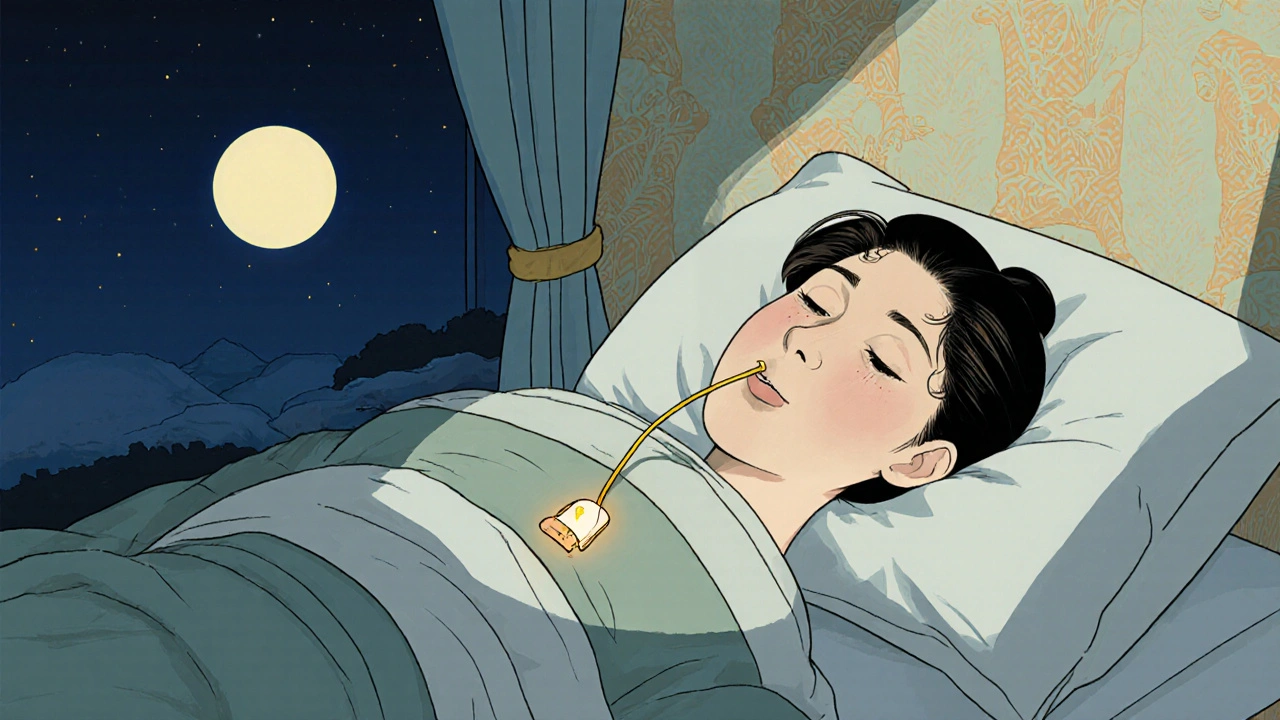
Upper Airway Stimulation: An Implant Option for Sleep Apnea When CPAP Doesn’t Work
Upper airway stimulation is an implantable therapy for sleep apnea that helps CPAP-intolerant patients breathe better at night without a mask. It stimulates the tongue nerve to keep the airway open, with high success rates and strong patient satisfaction.
read more