
Idiosyncratic Drug Reaction Risk Checker
What is this tool for?
This tool helps you understand if your symptoms might be a sign of an idiosyncratic drug reaction. These reactions are rare, unpredictable, and often life-threatening. Early recognition saves lives.
Answer the questions below. Based on your symptoms and timing, this tool will help determine your risk level.
Most people expect side effects from medication. Nausea from antibiotics, drowsiness from antihistamines - these are common, predictable, and usually mild. But what if your body reacts to a drug in a way no one saw coming? No one could have predicted it. Not the doctor. Not the clinical trials. Not even the drug maker. That’s an idiosyncratic drug reaction.
These aren’t just rare side effects. They’re dangerous, unpredictable, and often missed until it’s too late. About 1 in every 10,000 to 100,000 people who take a medication will have one. That sounds small, but when you’re the one affected, it’s everything. Between 1950 and 2023, the U.S. Food and Drug Administration pulled 38 drugs off the market because of these reactions. Drugs like troglitazone for diabetes and bromfenac for pain - both gone because they caused sudden, deadly liver damage in a handful of people.
Why Do These Reactions Happen?
Unlike regular side effects, which happen because a drug does too much of its intended job - like blood pressure dropping too low - idiosyncratic reactions have nothing to do with dose. You can take the right amount, follow every instruction, and still end up in the hospital. The reason? Your body’s immune system mistakes the drug - or a part of it - for an invader.
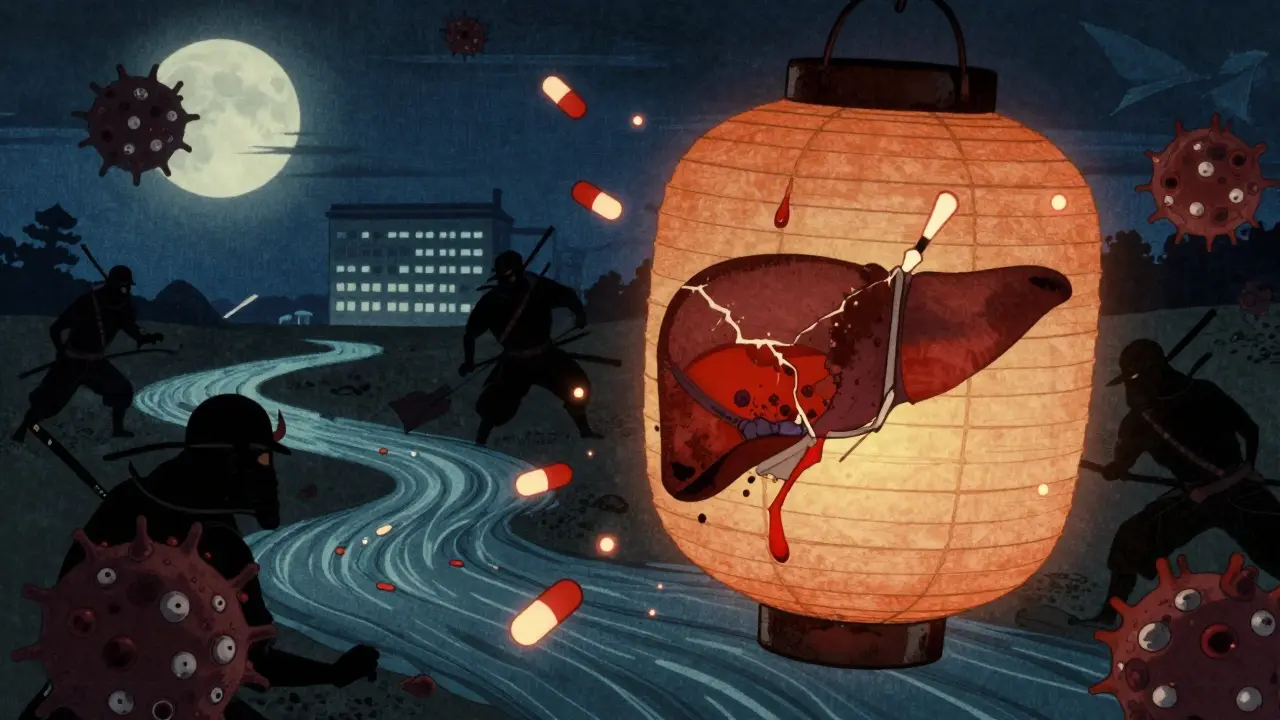
One leading theory, supported by decades of research, is the hapten hypothesis. Some drugs break down in the liver into reactive chemicals. These chemicals stick to your body’s own proteins, like glue. Suddenly, your immune system sees a protein it doesn’t recognize. It attacks. That’s when the rash, liver damage, or skin blistering starts. It’s not the drug itself causing harm. It’s your immune system going rogue.
This is why these reactions take time. It’s not immediate. You might take the drug for weeks before symptoms show up. That delay is one of the biggest reasons they’re missed. A patient gets a fever, a rash, and fatigue. The doctor thinks it’s the flu. Or a virus. Or stress. By the time someone connects the dots, the damage is already done.
What Are the Most Common Types?
Not all idiosyncratic reactions are the same. The two biggest types are liver injury and severe skin reactions.
Drug-induced liver injury (DILI) is the most frequent. About half of all serious idiosyncratic reactions hit the liver. It can look like hepatitis - fatigue, yellow skin, dark urine. Some people develop hepatocellular injury, where liver cells die off. Others get cholestatic injury, where bile flow gets blocked. Both can lead to acute liver failure. In the worst cases, 5 to 10% of patients die. Around 13% of all sudden liver failure cases in the U.S. are caused by drugs - not alcohol, not viruses, but medication.
Severe cutaneous adverse reactions (SCARs) are rarer but even more terrifying. These include:
- Stevens-Johnson Syndrome (SJS) - blisters and peeling skin, like a bad burn.
- Toxic Epidermal Necrolysis (TEN) - the same, but worse. Over 30% of your skin can detach.
- DRESS syndrome - rash, fever, swollen glands, and organ damage. It can affect the kidneys, lungs, or heart.
These reactions kill. TEN has a death rate of 25 to 35%. Survivors often face permanent scarring, vision loss, or chronic pain.
Who’s at Risk? The Genetics Factor
Here’s the frustrating part: we can’t predict who will have these reactions - except in a few cases.
For abacavir, an HIV drug, there’s a genetic test. If you carry the HLA-B*57:01 gene variant, you have a very high risk of a life-threatening allergic reaction. Testing for this before prescribing has nearly eliminated abacavir-related reactions in places where it’s standard.
For carbamazepine, used for seizures and bipolar disorder, the HLA-B*15:02 gene variant is a red flag - especially in people of Southeast Asian descent. In Thailand, Taiwan, and parts of China, doctors won’t prescribe carbamazepine without testing first.
That’s it. Just two drugs with reliable genetic warnings. For the other 90% of drugs linked to idiosyncratic reactions - like antibiotics, painkillers, antiseizure meds, and even some statins - there’s no test. No warning. No way to know until it happens.
And that’s why doctors are often blindsided. A 2021 FDA report found that 92% of serious idiosyncratic reactions occur without any prior warning signs. No red flags in clinical trials. No signals in animal studies. Just a healthy person, taking their meds, and then - boom.
Why Are These Reactions So Hard to Catch?
There are three big reasons:
- Delay. Symptoms appear weeks after starting the drug. Most doctors don’t connect the dots.
- Mimicry. DRESS looks like a virus. Liver damage looks like hepatitis. Skin rashes look like allergies or infections.
- Underreporting. Only 1 in 10 serious reactions get reported to safety databases. Many patients never see a specialist. Others are discharged with a diagnosis of "viral illness" and never follow up.
A 2021 survey from the DRESS Syndrome Foundation found patients waited an average of 17.3 days for the right diagnosis. Over 60% were misdiagnosed at first. One woman spent three weeks in the ER with a rash and fever, told she had "a bad flu," until her skin started peeling off. She was lucky. She survived.
Even when doctors suspect an idiosyncratic reaction, confirming it is tough. There’s no blood test. No scan. Diagnosis relies on:
- Dechallenge: Stopping the drug. Do symptoms improve?
- Rechallenge: Giving the drug back. Do symptoms return? (This is rarely done - too risky.)
- Scoring systems: Tools like RUCAM for liver injury or ALDEN for skin reactions. They use timing, symptoms, and exclusion of other causes to rate likelihood.
These tools work - but only if you know to use them.
What Happens After Diagnosis?
Step one: stop the drug. Immediately. No exceptions.
Step two: treat the symptoms. For liver injury, that means monitoring liver enzymes, fluids, and sometimes steroids. For skin reactions, it’s ICU-level care - wound management, infection control, pain control. Some patients need skin grafts.
Step three: long-term follow-up. Many people don’t recover fully. About 28% of those with drug-induced liver injury develop chronic liver problems. Others have lasting nerve damage, lung scarring, or vision issues from DRESS.
And then there’s the emotional toll. Patients report feeling dismissed. "No one believed me," is a common phrase. One man described how his doctor told him his liver damage was "probably just alcohol," even though he hadn’t drunk in years. It took him six months to get a correct diagnosis. By then, he needed a transplant.
Financially, it’s devastating. The average cost of a severe idiosyncratic reaction? $47,500. Lost wages, hospital stays, specialists, follow-up care - it adds up fast.
What’s Being Done to Prevent These Reactions?
Pharmaceutical companies are trying. In 2005, only 35% of drug makers screened for reactive metabolites - the chemicals that trigger immune reactions. By 2023, that number jumped to 92%. Pfizer and others now set strict limits: if a drug breaks down into more than 50 picomoles of reactive material per milligram of protein, it’s scrapped.
Regulators are pushing too. The FDA now requires detailed metabolite testing for any drug that reaches more than 10% of the parent drug’s exposure in the body. The European Medicines Agency now demands immune monitoring for new cancer drugs, especially kinase inhibitors.
And science is making progress. In 2023, the FDA approved the first predictive test for pazopanib, a kidney cancer drug. The test identifies patients at risk for liver damage with 82% accuracy. It’s not perfect - but it’s a start.
Large studies are finding new genetic links. In 2022, researchers discovered HLA-A*31:01 increases the risk of SJS/TEN from phenytoin, a common antiseizure drug. That’s another potential screening tool on the horizon.
The European Commission is funding a $32.7 million project called ADRomics, aiming to predict reactions using DNA, proteins, and metabolic data by 2027. The NIH has invested $47.5 million in the Drug-Induced Injury Network to understand how these reactions start.
Experts still warn: we’ll never eliminate idiosyncratic reactions. The human immune system is too complex. But we can reduce them. A lot. One analysis predicts a 60-70% drop in severe cases by 2035 - if we keep investing in better screening, better data, and better awareness.
What Should You Do?
If you’re taking a new medication:
- Know the signs. Fever, rash, yellow skin, dark urine, swollen lymph nodes, unusual fatigue - especially if they appear after 1-8 weeks.
- Don’t ignore them. Don’t assume it’s "just a virus."
- Keep a list of all your meds - including supplements - and share it with every doctor.
- Ask: "Could this drug cause a rare reaction? Is there a genetic test?"
- If you’ve had a reaction before, tell every provider. Never take that drug again.
If you’re a caregiver or family member: watch for changes. Patients often don’t realize how serious symptoms are until it’s too late. A sudden rash after starting a new pill? Go to the ER. Don’t wait.
There’s no magic bullet. But awareness saves lives. The more people know about these hidden dangers, the fewer will fall through the cracks.
Can you test for idiosyncratic drug reactions before taking a medication?
Only for a few drugs. Genetic tests exist for abacavir (HLA-B*57:01) and carbamazepine (HLA-B*15:02), especially in high-risk populations. For nearly all other drugs, no reliable pre-testing exists. Research is ongoing, but currently, there’s no general screening.
How long after starting a drug do idiosyncratic reactions usually appear?
Most appear between 1 and 8 weeks after starting the medication. This delay is why they’re often mistaken for infections or other illnesses. Rarely, reactions can occur after just a few days or even months later.
Are idiosyncratic reactions more dangerous than common side effects?
Yes. While common side effects are usually mild and predictable, idiosyncratic reactions are rare but can be life-threatening. They cause 30-40% of all drug withdrawals from the market. Mortality rates for severe cases like toxic epidermal necrolysis reach 25-35%.
Can you get an idiosyncratic reaction from a drug you’ve taken before without problems?
Yes. That’s one of the most dangerous aspects. You can take a drug safely for months or years, then suddenly have a severe reaction. The immune system can become sensitized over time, even without prior symptoms.
What should you do if you suspect an idiosyncratic drug reaction?
Stop taking the drug immediately and seek medical attention. Don’t wait for symptoms to worsen. Bring a list of all medications you’re taking. Mention the timing - when you started the drug and when symptoms began. Ask if it could be an idiosyncratic reaction. Early recognition saves lives.
Are some people more likely to have idiosyncratic reactions?
Yes. Genetics play a major role in some cases. Age, existing liver disease, and immune system status may also increase risk. People taking multiple drugs, especially immune-modulating medications like antiseizure drugs or biologics, have higher rates. But anyone can be affected - even healthy young adults.

Darren Ramowski
My name is Calem Goodridge, and I am a pharmaceutical expert with a passion for educating others about medication and diseases. I have dedicated my career to researching and developing life-changing medical treatments. In my spare time, I enjoy writing articles and sharing my knowledge with the general public to help them make informed healthcare decisions. I am also an advocate for safe medication practices and believe that patient education is key to preventing adverse drug events. With my extensive experience in the pharmaceutical industry, I strive to make a positive impact on the lives of others through my writing.
Oh wow, so we're just gambling with our lives every time we pop a pill? Like, I took amoxicillin for 3 years straight and never had an issue, but now I'm terrified every time I get a sore throat. What's next? Do I need a DNA scan before I buy Tylenol? This isn't medicine, it's Russian roulette with a pharmacy label.
Actually... maybe this is why I got that weird rash after that one flu shot? Nobody ever connects the dots. But you know what's wild? I've seen people in India take 5 different meds at once and just shrug. No tests. No fear. Just faith. Maybe we're overthinking this? 🤔
i had no idea this was even a thing until i read this. my cousin got really sick after some antibiotic and they thought it was the flu for weeks. she almost died. i just want people to know if you feel off after starting a new med dont just wait it out. tell someone. please. 🙏
As someone who’s lived with chronic illness for over a decade, this is the most important thing I’ve read all year. You’re not paranoid if your body’s screaming at you. Stop trusting the system. Start trusting your instincts. And if you’re a doctor reading this? Listen. Really listen. The patient knows their body better than any lab report ever will.
Man... I just lost my aunt to DRESS syndrome last year. She was healthy. Took one new painkiller. Three weeks later? Skin falling off. ICU. Then gone. No warning. No test. Just... gone. And the worst part? The doctor said "it’s rare, don’t worry." Like, yeah, it’s rare… but it’s not rare for ME. Now I carry a card in my wallet: "DO NOT GIVE ME ANY NSAIDS OR ANTIBIOTICS WITHOUT CONSULTING ME FIRST."
...i just read this... and i'm crying... i didn't know anyone else felt this way... my mom had a reaction to a statin... they thought it was her liver... it took 6 months... i wish someone had told us sooner... please... if you're reading this... listen to your body... even if it feels silly... please...
bro this is wild but makes total sense why my uncle got liver damage after taking that one med for years. he never had issues before. now he's on a transplant list. we need more awareness. like seriously. everyone thinks meds are safe. theyre not. just because its approved doesnt mean its safe for you
my cousin took carbamazepine and got SJS. he was 22. no family history. no warning. now he can't open his eyes properly. i told my doctor i want a genetic test before any new med. he laughed. i'm done trusting doctors who don't know this stuff.
THIS IS WHY I HATE PHARMA. THEY MAKE BILLIONS AND THEN JUST WAIT FOR PEOPLE TO DIE BEFORE THEY DO SOMETHING. THEY KNOW. THEYve ALWAYS KNOWN. THEY JUST DON'T CARE. THEY TEST ON POOR COUNTRIES, LAUNCH DRUGS WITH NO LONG TERM DATA, AND THEN SAY "OH WELL IT WAS RARE" LIKE THAT MAKES IT OKAY. I'M SICK OF THIS. I'M SICK OF THEM. I'M SICK OF BEING A LAB RAT.