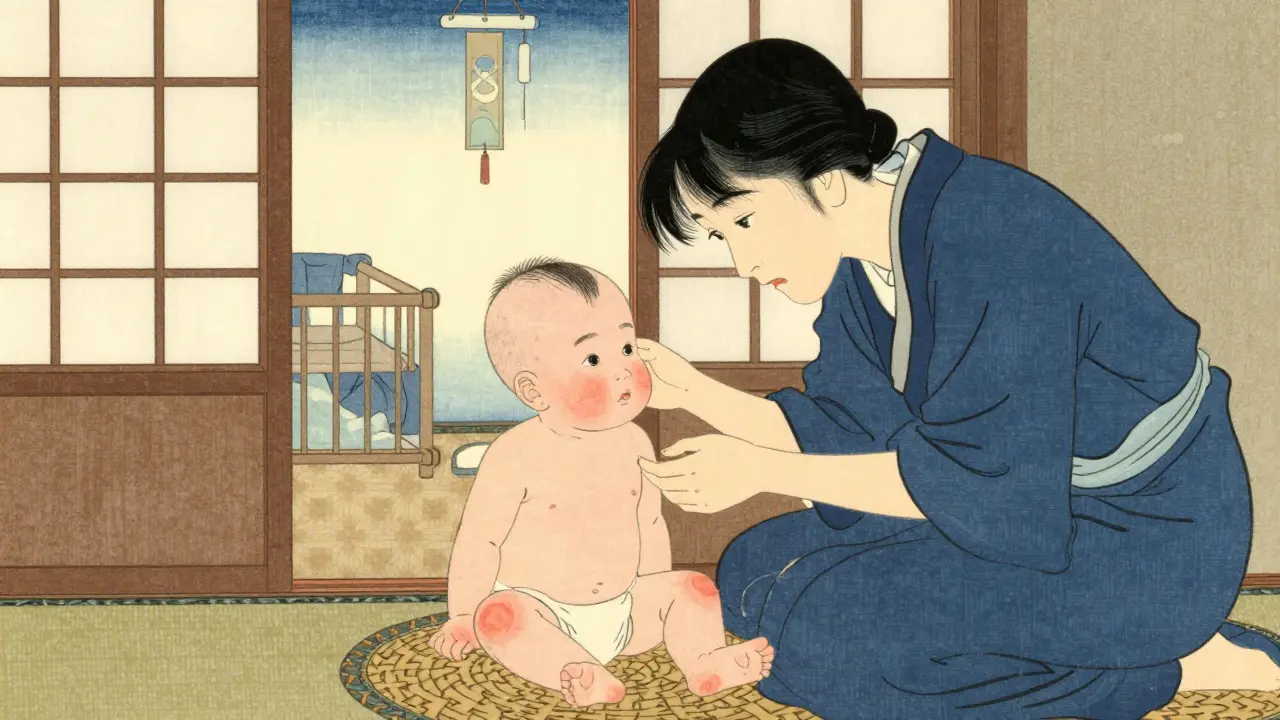
There is a quiet fear that hangs over many nurseries. You notice the dry, red patches on your baby’s cheek or behind their knees, and the doctor mentions eczema. Then comes the unspoken worry: will this just be a childhood rash, or is it the first step toward a lifetime of allergies, asthma, and sneezes? For decades, doctors used a term called the Atopic March, which describesthe sequential progression of allergic diseases starting with eczema in infancy and moving to food allergies, rhinitis, and asthma later in childhood. While this concept helps identify patterns, recent science tells us the story is more nuanced than a straight path.
What Exactly Is the Atopic March?
Think of the Atopic March as a potential timeline rather than a guaranteed itinerary. Historically, researchers noticed that children who started with atopic dermatitis were statistically more likely to develop other allergic conditions as they grew older. Traditionally, this was described as a linear progression: a baby gets eczema, then develops food allergies, followed by allergic rhinitis (hay fever), and eventually asthma. However, modern studies challenge this old-school view. Current data indicates that only about 3.1% of children follow this strict, predictable sequence.
Instead of a single-file line, experts now refer to "atopic multimorbidity." This means these conditions often show up together or overlap rather than following each other like dominoes falling. About 17-24% of children worldwide develop Atopic dermatitis, commonly known as eczema. Of those, roughly 25% might progress to develop asthma, meaning 75% do not. Understanding this distinction is vital. If you are a parent worrying that your child's eczema guarantees future asthma, the reality offers relief: the progression is far from inevitable.
The Root Cause: Skin Barrier Dysfunction
Why does this pattern happen at all? The answer lies in the skin itself. Your skin isn't just a cover; it is a fortress. Specifically, the top layer of your skin acts as a physical wall blocking harmful substances from entering the body. When this wall is compromised, trouble begins. A critical player here is a protein called Filaggrin. Filaggrin aggregates keratin filaments in the epidermis, ensuring skin strength and hydration. Mutations in the filaggrin gene are strongly linked to developing eczema and subsequently, allergic sensitization.
When filaggrin levels are low, the skin creates gaps-essentially microscopic cracks. These cracks allow environmental allergens to bypass the outer layer. Imagine a fence with broken slats; pests can slip right through. In a baby's skin, allergens like peanut proteins, egg fragments, or pollen drifters enter through these cracks. Once inside, the immune system sounds the alarm. It treats these harmless invaders as dangerous threats, producing immunoglobulin E (IgE) antibodies. This reaction primes the body for allergies, setting the stage for what we traditionally call the march.
| Aspect | Traditional Model | Modern Evidence-Based View |
|---|---|---|
| Progression Pattern | Strictly Linear (Eczema → Asthma) | Clustered Multimorbidity (Conditions coexist) |
| Risk Prevalence | High expectation of progression | Only ~25% of eczema cases develop asthma |
| Sensitization vs. Symptoms | Sensitization assumed equal to disease | Clear distinction; many sensitized, fewer symptomatic |
| Primary Driver | Genetic predisposition alone | Skin barrier defects + Immune response interaction |

The Dual Allergen Exposure Hypothesis
This brings us to a fascinating theory regarding how allergies actually start: the Dual Allergen Exposure Hypothesis. This concept posits that exposure through the defective skin barrier leads to sensitization (becoming allergic), while exposure through the gut leads to tolerance (accepting the food as safe). A pivotal study supporting this was the LEAP Study (Learning Early About Peanut Allergy). Researchers found that early oral introduction of peanut protein reduced the risk of developing a peanut allergy by 86% in high-risk infants.
However, the catch is the timing and the route. If a baby has severe eczema with open cracks, and they touch a toy covered in peanut residue, their immune system reacts defensively because the barrier failed. Conversely, if they eat the peanut, the digestive system processes it safely. This explains why repairing the skin barrier is a strategic intervention point. By keeping the skin intact, we prevent the 'bad' exposure through the skin while allowing 'good' exposure through the mouth.
Genetics and the Gut Microbiome Connection
We cannot ignore biology entirely. Beyond filaggrin, other genes play roles. Polymorphisms in the thymic stromal lymphopoietin (TSLP) gene influence inflammation pathways. Variants here increase the odds of AD, food allergies, and asthma simultaneously, suggesting a shared genetic vulnerability across these conditions. Yet, genes load the gun; environment pulls the trigger. Recent discoveries highlight the gut microbiome's influence on this process.
Research into neonatal gut microbiota shows that infants who develop multi-sensitized atopy often have different bacteria populations compared to those who remain healthy. Specifically, there is a reduced genetic potential for butyrate fermentation in the gut of infants who go on to develop allergies. Butyrate is a short-chain fatty acid that nourishes the gut lining and reduces inflammation. This connection suggests that the atopic march isn't just about the skin; it involves the gut-brain-immune axis. Modifying the gut microbiome through diet or probiotics might alter these disease trajectories, offering another frontier for prevention alongside skin care.
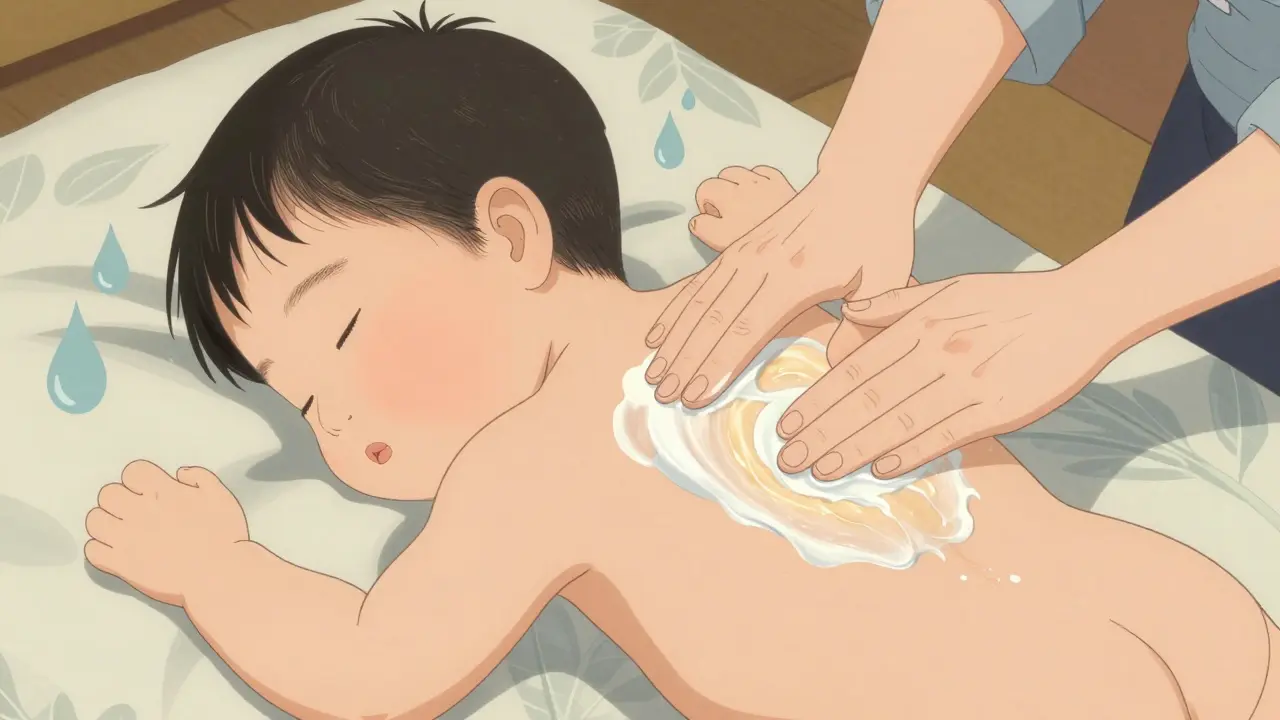
Practical Skin Barrier Care Strategies
If the goal is to arrest the march, the battlefield is the epidermis. What does actual care look like in daily life? It starts with emollients. These aren't just lotions; they are functional therapies designed to replace missing lipids. The PreventADALL trial investigated whether proactive emollient therapy could prevent atopic dermatitis and subsequent allergic conditions. Preliminary results showed a 20-30% reduction in eczema incidence through consistent, early application.
To maximize effectiveness, consider these specific steps:
- Frequency: Apply ointment or cream twice daily. Thicker consistency (ointments) usually works better than thin lotions because they seal in moisture more effectively.
- Timing: Apply within three minutes after bathing to lock water into the stratum corneum.
- Coverage: Don't just spot-treat red areas. Cover the whole body, including limbs, to reinforce the barrier everywhere.
- Irritant Avoidance: Stick to soap-free cleansers. Harsh detergents strip natural oils, worsening cracks.
In Auckland, our climate can shift from humid summers to chilly, windy winters. Cold air dries out the skin rapidly, exacerbating barrier function issues. During autumn and winter months, increasing moisturizer application becomes critical to counteract the environmental drying effect. If your child has severe eczema defined by intense itching or widespread rash, aggressive treatment with topical corticosteroids or calcineurin inhibitors under medical guidance may be necessary to reduce inflammation quickly. Severe AD increases the risk of asthma onset by over 60% compared to mild cases, making inflammation control a priority.
Distinguishing Sensitization from Disease
A major source of unnecessary anxiety is confusing blood test results with clinical illness. Many children have positive IgE tests (sensitization) but never develop actual wheezing or hives when exposed. Studies like TOACS demonstrated that while 80% of children with eczema become sensitized to foods or aeroallergens, only a fraction develop clinical symptoms. Just because a blood test shows reactivity doesn't mean your child needs to eliminate every potential trigger from their diet.
This nuance is crucial for quality of life. Blanket restrictions can lead to nutritional deficiencies or food aversion without benefiting the child. Instead, focus on identifying the 25% of children truly at risk. High-risk indicators often include family history of atopy, severity of the initial eczema, and specific genetic markers. Clinicians are moving toward precision identification rather than blanket predictions. If your child has severe eczema requiring frequent steroid creams, discuss early referral to an allergist for monitoring, but avoid extreme dietary changes without confirmed reactions.
Does every child with eczema eventually get asthma?
No. Only approximately 25% of children with eczema develop asthma. Most children outgrow the skin condition without progressing to respiratory issues. The risk is higher if the eczema is severe, but it is not a guarantee.
Can moisturizing really prevent allergies?
Proactive moisturizing repairs the skin barrier, reducing the entry points for allergens. Trials suggest regular emollient use can reduce eczema incidence by 20-30%, potentially lowering sensitization risk, though it does not guarantee prevention of all allergic outcomes.
When should I introduce allergenic foods like peanuts?
For babies with severe eczema, guidelines suggest introducing peanuts around 4-6 months of age, ideally after consulting with a pediatrician. Early oral introduction promotes tolerance, whereas delayed introduction or exclusive skin contact increases sensitization risk.
Is the atopic march still considered a valid medical concept?
Yes, but the definition has evolved. It is now viewed as 'atopic multimorbidity' rather than a strict linear sequence. It helps identify clusters of risk, but clinicians no longer assume every case follows the exact same order of symptoms.
Do I need to change my baby's formula to prevent allergies?
Standard cow's milk formula is generally fine unless your child shows immediate signs of intolerance or allergy. Hydrolyzed formulas are reserved for confirmed diagnosis or high-risk situations. Always consult your GP before switching nutrition protocols.
Understanding the mechanics of skin barriers and immune responses empowers you to take action without panic. While the 'march' exists, it is not a death sentence. Through careful skin maintenance, mindful introduction of foods, and targeted medical management, you can significantly alter the trajectory. The science has shifted from fatalism to active prevention.

Darren Ramowski
My name is Calem Goodridge, and I am a pharmaceutical expert with a passion for educating others about medication and diseases. I have dedicated my career to researching and developing life-changing medical treatments. In my spare time, I enjoy writing articles and sharing my knowledge with the general public to help them make informed healthcare decisions. I am also an advocate for safe medication practices and believe that patient education is key to preventing adverse drug events. With my extensive experience in the pharmaceutical industry, I strive to make a positive impact on the lives of others through my writing.
It is such a relief to read that the progression isn't actually guaranteed for most children.
So many parents live in fear of asthma when seeing the first signs of eczema. Knowing the stats are only around twenty-five percent helps ease that mental burden significantly.
We really need to focus more on keeping the skin intact instead of panicking.
This is literally a nightmare for my family!!!! My son cant even sleep bc the itching is so bad he scratches till it bleeds!!
I tried everything form ointments to special shampoos nothing works and i am losing my mind trying to find answers
Please tell me something that will fix this fast cause we are desperate
You people clearly have no idea what you are talking about regarding medical protocols.
The elite medical community knows that filaggrin mutations dictate the outcome regardless of how much cream you smear on.
If you actually understood the biochemistry you wouldnt be asking such basic questions about sensitivity.
Glad we know more now :)
Oh wow this is such great news for everyone struggling with this issue
Really makes me feel less alone in the parenting journey knowing there is hope
You all are doing an amazing job handling the stress and please keep going strong!
Ah yes another blog telling us what the doctors already knew 🙄
They said the same thing ten years ago and did anyone listen nope
Big Pharma probably benefits more from the creams than the actual cure whatever that may be 💊🤡
Stop. Using. Soap. It strips the natural oils completely!.
Apply. Ointment. Immediately after bathing while the skin is still damp!!.
Cover the whole body not just the red spots to prevent cracks forming elsewhere.
Consult your GP before starting any dietary changes to avoid nutritional deficiencies!
I love reading these updates because it gives me so much hope for the future of medicine!
My cousin had similar issues back then and she was so worried about her baby’s health constantly.
But she followed the new protocols strictly and now the little one is doing amazingly well!😊.
It really changes everything you know about prevention and how we view the skin barrier.
We cannot ignore the importance of the skin barrier anymore because it keeps the bad stuff out.
Just think of how protective the right moisturizer can be against those nasty allergens trying to get in.
And remember that food introduction timing matters too for building tolerance early on.
You have to trust the research findings shown here rather than listening to old myths.
Early peanut exposure is actually safer than avoiding it totally when done correctly under supervision!
Please talk to your doctor before making big diet changes though because safety comes first.
But overall stay positive because knowledge is power indeed and you are not alone.
Sending love to all parents dealing with this struggle today and keep up the good work!💪✨.
Every small step toward skin healing counts towards a healthier tomorrow.
Hope springs eternal in the garden of scientific progress and discovery!❤️
Keep fighting the battles one day at a time and never give up on your child’s potential for recovery!