
When a patient walks into your clinic with a prescription for a brand-name drug, and you know the generic version is just as effective but costs a fraction of the price, what do you do? For many providers, this isn’t just a cost-saving opportunity-it’s a daily decision with real consequences. Generic medications now make up 90% of all prescriptions filled in the U.S., yet provider experiences with them vary widely depending on the drug, the patient, and the state you practice in.
What Actually Makes a Generic Drug Work
It’s not magic. The FDA requires generic drugs to prove they’re bioequivalent to the brand-name version. That means they must deliver the same amount of active ingredient into the bloodstream within the same timeframe. The standard? Between 80% and 125% of the brand’s performance, measured by two key metrics: Cmax (peak concentration) and AUC (total exposure over time). If a generic hits those numbers, it gets an AB rating in the FDA’s Orange Book-meaning it’s considered therapeutically equivalent.
But here’s what most people don’t realize: not all generics are created equal. Some are authorized generics-made by the same company that produces the brand-name version, just sold under a different label. Others come from overseas manufacturers with varying quality controls. A 2019 study in JAMA Internal Medicine looked at 10 drugs with both authorized and regular generics and found no meaningful difference in hospitalizations, emergency visits, or medication discontinuation rates. But even then, there were subtle signals-authorized generic users had a slightly higher chance of ER visits, possibly because they were more likely to be closely monitored.
When Generics Work Flawlessly
For most common conditions, switching to generics is seamless. Statins like atorvastatin, blood pressure meds like lisinopril, and even antidepressants like sertraline have been switched to generics for years with no drop in outcomes. A 2006-2007 Medicaid analysis found that if we eliminated consent requirements for just three drugs-atorvastatin, clopidogrel, and olanzapine-we could’ve saved over $100 million in one year. That’s not theoretical. That’s real money in real clinics.
Providers who manage large patient populations with chronic conditions like hypertension or diabetes often report that switching to generics improves adherence. Why? Because patients can actually afford the medication. Data from 2001-2003 shows patients starting on generics had 13% higher adherence than those on brand-name drugs-simply because they weren’t skipping doses to save money.
The Hard Cases: Where Generics Get Tricky
Not all drugs are the same. For medications with a narrow therapeutic index-where even small changes in blood levels can cause harm-the story changes. Think warfarin, thyroid meds like levothyroxine, and immunosuppressants like cyclosporine. These aren’t just "a little different"-they’re high-stakes.
Providers treating transplant patients or those with epilepsy report real problems. A 2020 study in Frontiers in Drug Safety and Regulation found that nearly 40% of research on substitution issues focused on epilepsy drugs. There are documented cases where patients switched from brand lamotrigine to a generic version and had breakthrough seizures. Most got better when switched back. That’s not anecdotal. It’s in the medical literature.
The American College of Neurology explicitly advises against automatic substitution for antiepileptic drugs. Many neurologists now write "dispense as written" on prescriptions for these drugs. Same goes for transplant recipients. One provider in Wisconsin told me, "I’ve seen two patients lose their grafts after a generic switch. I don’t take chances anymore."
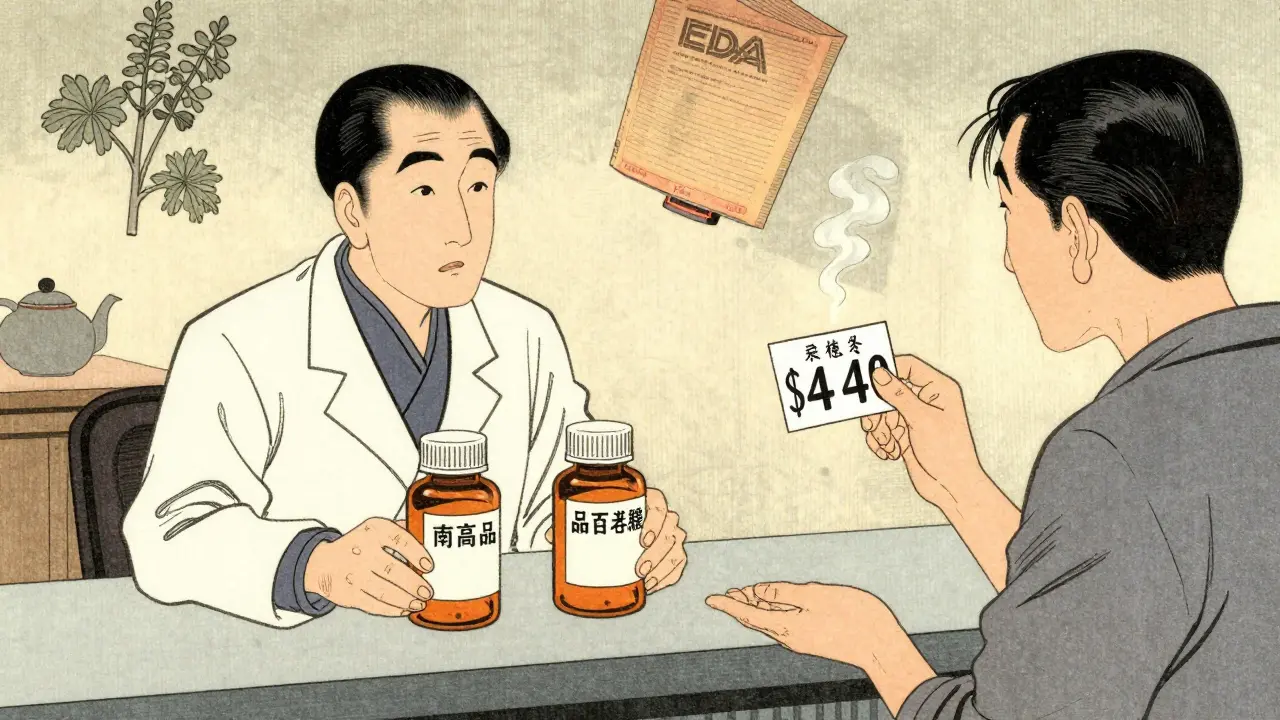
Authorized Generics vs. Regular Generics: What’s the Difference?
Authorized generics are the brand-name drug made by the original manufacturer but sold without the brand name. They’re often cheaper than the brand but identical in every way. Regular generics? Made by a different company, sometimes overseas. They meet FDA standards, but the manufacturing process, fillers, or coating can vary.
The FDA’s 2016 investigation into Concerta generics is a textbook example. Two generic versions received a flood of "lack of effect" complaints. After lab testing, review of manufacturing data, and expert consultation, the FDA downgraded their rating from AB to BX-meaning they were no longer considered interchangeable. That’s rare. And it shows the FDA isn’t just rubber-stamping approvals.
State Rules Are a Mess
Here’s where it gets messy. In 19 states, pharmacists can switch a brand to a generic without telling the patient. In 7 states and D.C., they must get the patient’s consent. Thirty-one states require some form of notification-whether it’s a sticker on the bottle, a phone call, or a form. But there’s no national standard.
And it’s not just about consent. Twenty-four states don’t protect pharmacists from liability if a substitution causes harm. That means pharmacists are hesitant to switch-even when it’s safe-because they don’t want to get sued. Providers end up caught in the middle. A patient might get a different generic every month. One from India. One from Canada. One from a U.S. plant. And they wonder why they feel "off."

What Providers Are Doing Right
The best practices aren’t complicated. First, talk to your patients. A 2024 Greek study found that patients who discussed generics with their provider were far more likely to accept them. Just five minutes. "This is the same medicine, cheaper. Here’s why it’s safe."
Second, use your EHR. Many electronic health record systems now show therapeutic equivalence ratings right on the prescription screen. If a drug has an AB rating, it’s safe to substitute. If it’s BX, pause. Ask.
Third, know your formulary. Medicare Part D has a 91% generic utilization rate for seniors. But for epilepsy drugs? Only 52%. Why? Because providers and patients are cautious. That’s not a failure. It’s smart medicine.
What’s Changing Now
The Inflation Reduction Act of 2022 is pushing Medicare to favor generics even more. By 2025, we could see a 5-7% increase in generic use. That’s good for costs, but it also means more patients will be switching. The FDA is now using real-world data from its Sentinel Initiative to monitor outcomes after substitution-not just lab results.
And machine learning? It’s coming. A 2024 study in Greece used AI models to predict which patients were most likely to accept generics. Factors? Education level, previous experience with generics, and whether they’d been counseled by a provider. The model got it right 87% of the time.
Final Thoughts
Generics aren’t "cheap alternatives." They’re scientifically validated, cost-effective, and safe for most people. But they’re not one-size-fits-all. The key for providers isn’t to push generics blindly-it’s to know when they work, when they don’t, and how to talk about it.
Patients don’t care about the Orange Book. They care about whether they feel okay. Whether they can afford it. Whether they trust you. If you’re clear, honest, and consistent, most will follow. And for the ones who don’t? That’s your cue to dig deeper-not to push harder.

Darren Ramowski
My name is Calem Goodridge, and I am a pharmaceutical expert with a passion for educating others about medication and diseases. I have dedicated my career to researching and developing life-changing medical treatments. In my spare time, I enjoy writing articles and sharing my knowledge with the general public to help them make informed healthcare decisions. I am also an advocate for safe medication practices and believe that patient education is key to preventing adverse drug events. With my extensive experience in the pharmaceutical industry, I strive to make a positive impact on the lives of others through my writing.
Been prescribing generics in rural India for years. Patients here don’t care about brand names-they care if they can eat that month. The real issue? When Indian-made generics hit the US market, no one checks if the fillers match up. Saw a guy go from stable to crashing on lisinopril because the coating dissolved too fast. FDA says AB rating = fine. But bodies aren’t spreadsheets.
My clinic switched everything to generics except warfarin and levothyroxine. Why? Because we lost two patients to INR spikes after a generic switch. No drama, no blame-just data. If it’s high-risk, we leave it alone. Simple.
Pharmacists in my state can swap without telling anyone. That’s insane. One patient came in confused because his seizure meds suddenly felt different. He didn’t know he got switched. No consent. No warning. Just a cheaper pill with a different logo.
Ugh I hate when people act like generics are magic. I work at a pharmacy. Half the time the stuff is made in some basement in Bangladesh. You think the FDA checks every batch? Nah. They check one vial and call it a day. Meanwhile, grandma’s blood pressure is doing the cha-cha.
Let’s get real-the whole generic system is a statistical game with human lives on the line. The FDA’s AB rating is based on population averages. But what about the 2% of people who metabolize drugs differently? Or the ones with gut motility issues? Or the elderly with polypharmacy? We’re optimizing for cost, not individual biology. Machine learning might predict adherence, but it can’t predict why Mrs. Rivera stopped taking her pill after the pill changed color. That’s not a data point. That’s a human story.
And honestly? The fact that we’re even having this debate means the system’s broken. We should be pushing for transparent labeling: manufacturer, country of origin, batch ID. Not just "AB-rated." That’s like saying all SUVs are the same because they have four wheels.
Also-authorized generics? They’re the only ones I trust. Same factory, same formula. Just cheaper. Why not make those the default? Why let the cheapest, shadiest manufacturer win? It’s not about trust. It’s about accountability.
And yes, I know some people think I’m overreacting. But I’ve seen seizures. I’ve seen graft failures. I’ve seen patients cry because they couldn’t afford their meds-and then cry again because the generic made them sick. We need nuance. Not slogans.
PS: The Greek AI study? Fascinating. But if you don’t account for trauma, housing instability, or language barriers? Your model is just a fancy fortune cookie.
OMG I CAN’T BELIEVE THIS IS STILL HAPPENING!!
Like-do you KNOW what happened to my cousin? She was on Lamictal for 10 YEARS. Stable. Happy. Then one day-BAM-generic. She had a full-blown seizure at her daughter’s birthday party. Her kid saw it. Her husband had to revive her. They had to rush her to the hospital. And guess what? The pharmacist didn’t even tell her it was switched!!
And now? They’re all like "Oh it’s FDA approved" like that’s some kind of magic shield?! What about the 37% of patients who report weird side effects after switching? Where’s the data on that?! The FDA doesn’t even track it properly!!
And don’t get me started on the Indian manufacturers!! I read an article that said some generics have trace amounts of carcinogens!! Like-NITROSAMINES!! In my SLEEPING PILLS!!
THIS IS A SCANDAL. A NATIONAL DISGRACE. WE NEED A CONGRESS HEARING. RIGHT NOW. BEFORE SOMEONE DIES.
I’ve started a petition. 12,000 signatures. And I’m not stopping until every pharmacy is forced to put a warning label on every generic: "THIS PILLS MAY KILL YOU. ASK YOUR DOCTOR IF YOU’RE HIGH-RISK."
Also-I’m suing my pharmacist. And I’m telling everyone I know. This isn’t about money. It’s about justice.
Generics? LOL. You think the FDA is protecting you? HA. The real story? Big Pharma sells the brand name, then sells the generic to a Chinese factory for pennies. They use cheap fillers. Heavy metals. Even banned dyes. I read a report-2021-where 68% of Indian-made generics had impurities above FDA limits. But the FDA still says "AB" because they don’t have the budget to test properly.
And don’t even get me started on the U.S. supply chain. Half the pills in your medicine cabinet? Made in China. And who’s checking? No one. The government is asleep. Big Pharma owns the regulators. And you? You’re just another statistic.
My aunt died from a generic thyroid pill. They said it was "bioequivalent." But her TSH spiked. She had a stroke. They didn’t even test her blood after the switch. They just said "it’s the same."
Wake up. This isn’t medicine. It’s a global scam. And you’re all complicit.
Bro, I’m a pharmacist in Pune. We’ve been swapping generics for 15 years. No issues. People get their meds. They take them. They live. The ones who have problems? Usually not the pill. It’s the stress. The hunger. The fact they’re taking it with chai instead of water.
Yeah, there’s bad batches. But 99%? Solid. And if someone feels weird? We switch them back. No drama. No lawsuit. Just a conversation.
Stop overthinking. The science works. The people work. The system? It’s messy. But it’s not broken.
Just tell patients the truth. Same medicine. Cheaper. Here’s why it’s safe. Works every time.
YES!! Just talk to people!! I had a patient who refused generics because she thought they were "fake." I showed her the FDA label. Same active ingredient. Same dose. Same everything. She cried. Said she didn’t know. Now she takes it. And saves $80 a month. That’s a meal. That’s bus fare. That’s peace.
Ugh. Another post pretending generics are all fine. Newsflash: the FDA doesn’t test every pill. They test ONE batch. Once. And if it passes? They greenlight the whole factory. That’s not science. That’s gambling.
And let’s be real-why do you think the brand-name drugs still exist? Because they’re profitable. The generics? They’re the leftovers. The rejects. The ones no one else wants.
And don’t even get me started on the "authorized" ones. Same company? Yeah. But they’re still selling it cheaper. So why didn’t they do that before? Greed. Plain and simple.
You think providers are helping? Nah. They’re just trying to hit their cost targets. Patients be damned.
Okay I’ve been a nurse for 20 years and I’ve seen EVERYTHING and I’m telling you this: generics are a disaster waiting to happen. I had a patient on cyclosporine after a kidney transplant. Switched to generic. Three days later, her creatinine shot up. She was in the ICU. Her body rejected the kidney. She had to go back on brand. Cost $12,000 a month. But at least she was alive.
And the pharmacist? Didn’t even tell her. Just swapped it. Said "it’s the same."
How is this legal? How is this acceptable? We’re letting people die because of paperwork and profit margins.
And don’t even get me started on the overseas stuff. I’ve seen pills with mold. I’ve seen pills with no active ingredient. I’ve seen pills with double the dose.
It’s not about cost. It’s about survival. And right now, we’re betting lives on a lottery.
Someone needs to wake up. And I’m not stopping until this changes.
👏👏👏 This post nailed it. The FDA’s AB rating is a starting point, not a finish line. We need transparency-batch numbers, manufacturer names, country of origin on every prescription. Not just for trust. For accountability.
Also-authorized generics should be the default. Why? Because they’re identical. No guesswork. No risk. Just savings. And if we pushed for those first? We’d cut costs AND save lives.
And yes, AI can predict adherence. But we still need humans to ask: "Did you feel different after the switch?" That question? It’s worth more than any algorithm.
❤️
I’ve been on the same generic for 8 years. Never had an issue. People are overreacting. It’s the same chemical. Same dose. Same everything. If you feel weird, maybe it’s your anxiety. Or your diet. Or your sleep. Not the pill.